 Fonder
Film character
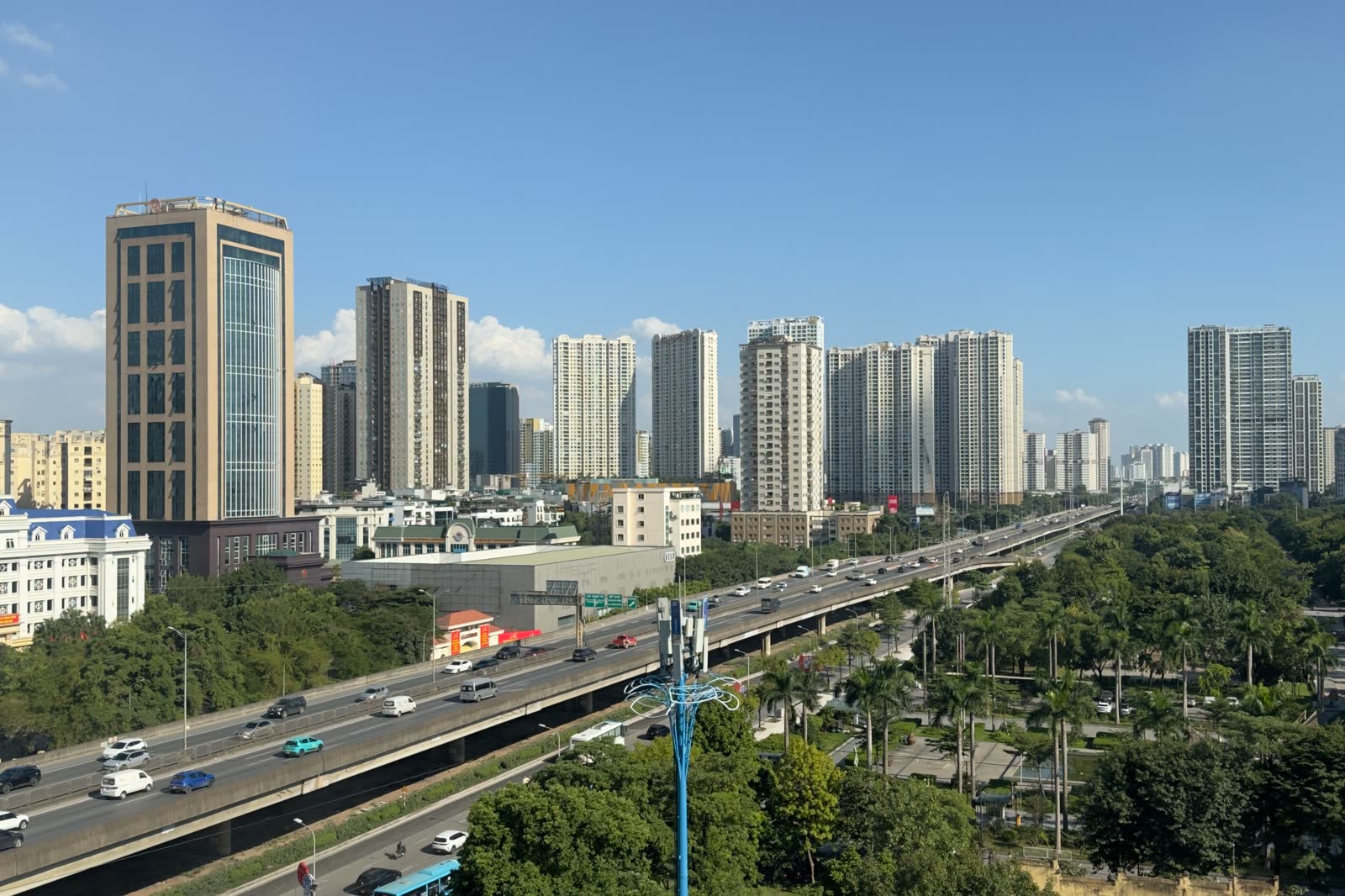
The stock everything else stands on: how each hue answers — what reds turn into, how skies and foliage lean, where the shadows fall. Afterglow Neg, the film 1998 Neg is built on, against the plain capture.
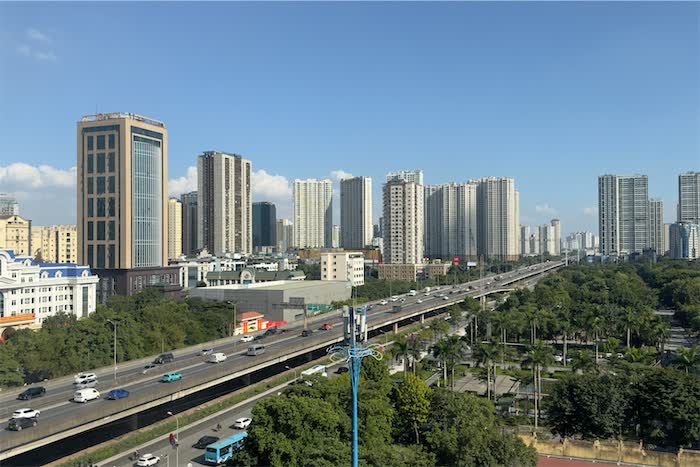
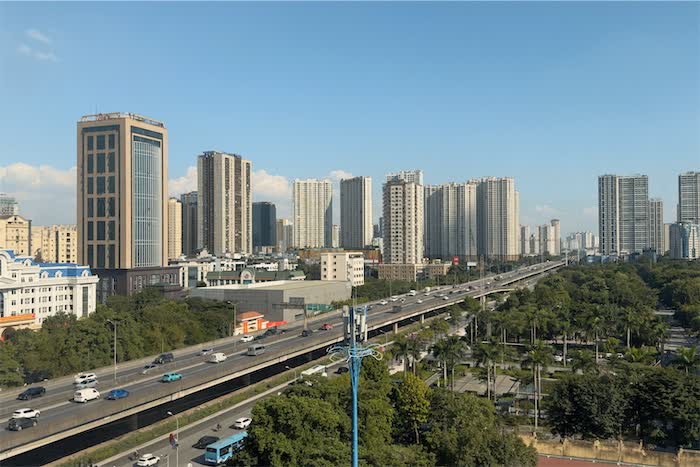 No filmAfterglow Neg
Fonder · Recipes
A recipe is a film character and the darkroom decisions around it: where white sits, how hard the highlights climb, how much dye goes down, what texture the negative wears. One shutter press, developed two ways — drag the line.
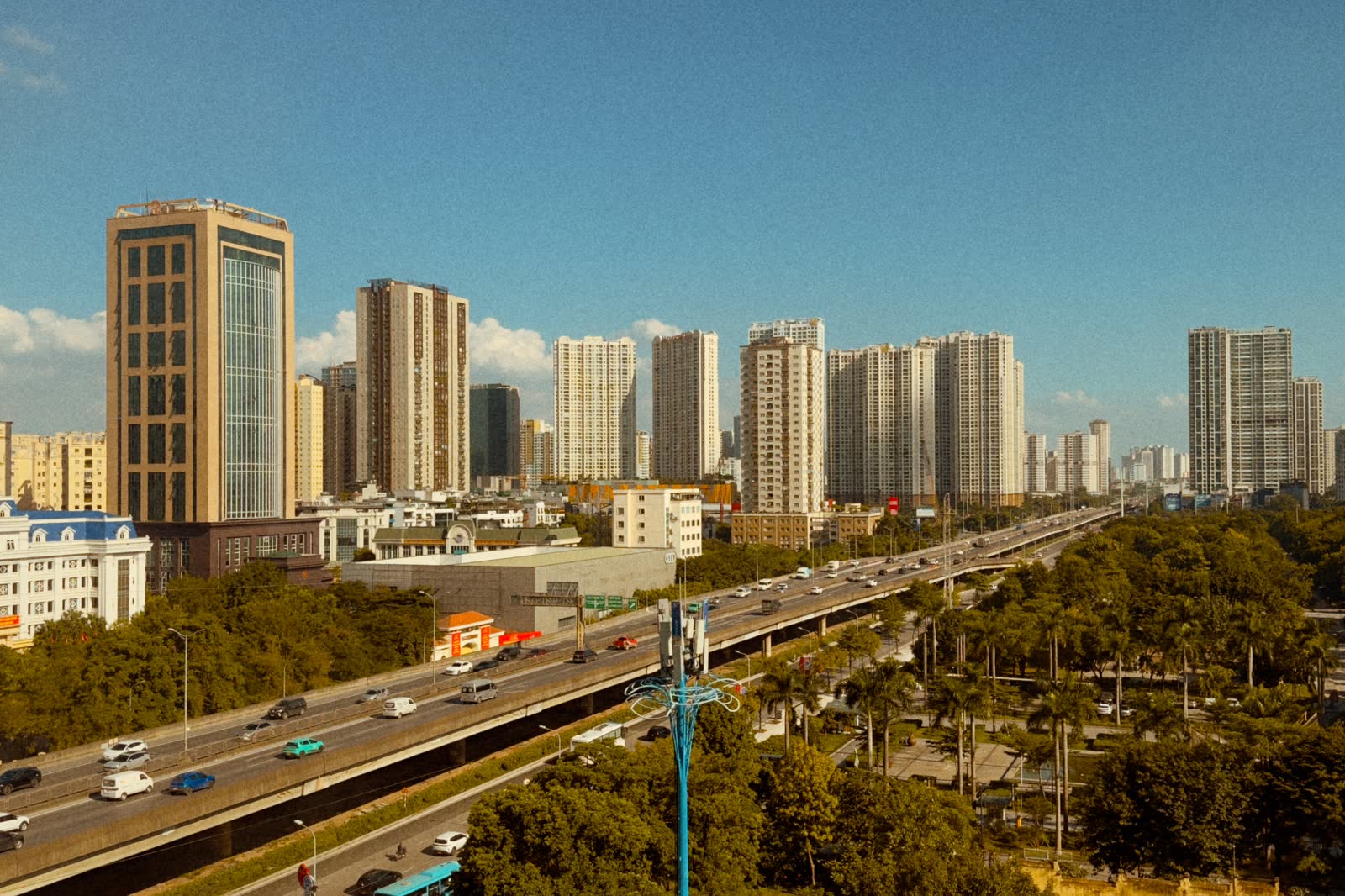 Straight off the phoneToffee Neg
Both halves are the same phone capture. The right one went through a Fonder recipe — nothing here is a screen filter laid over a picture.
Find your film
Warm afternoons. Grey mornings. Harsh flash. Neon after midnight. Fonder films are built for moments, not test charts. Each one has its own colour, contrast, grain and character — so instead of fixing the photo afterward, you choose how you want the moment to feel before you press the shutter.
Pick a film. Go somewhere. See what happens.
Anatomy
Every dial the recipe builder has, isolated on one frame — 1998 Neg, one of the shipped recipes, taken apart. Each pair below is a real render through Fonder's engine: the recipe's film alone on the left of the line, and on the right the film with exactly one of 1998 Neg's own settings applied. Nothing is simulated for the page.
The stock everything else stands on: how each hue answers — what reds turn into, how skies and foliage lean, where the shadows fall. Afterglow Neg, the film 1998 Neg is built on, against the plain capture.
No filmAfterglow NegWhere white sits. A recipe can trust the camera, fix a kelvin, or shift the whole frame along red and blue — 1998 Neg trusts the camera and leans it toward yellow-green, R−2 B−4.
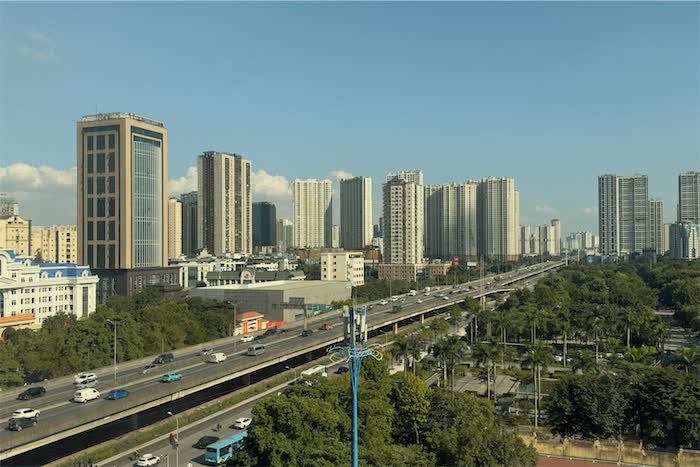 As meteredR−2 B−4
How hard the brightest parts climb. 1998 Neg pushes its top up a step and a half — the bright, forward top of a snapshot print — where a pulled-down top would roll off gently instead.
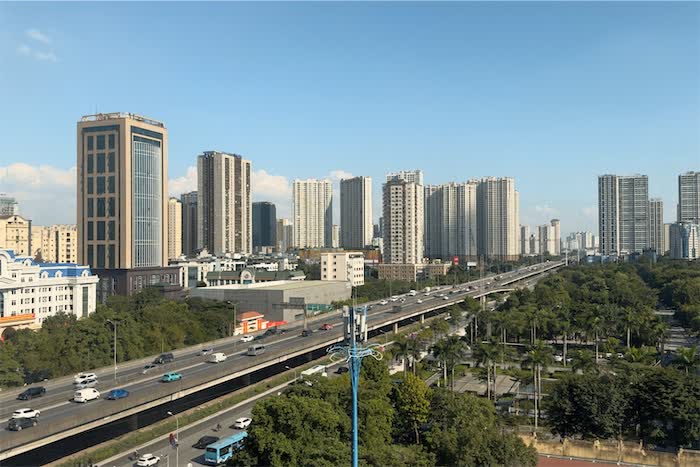 0+1.5
How deep the darks sit. Pushed up, shadows fall to black sooner and the frame gains weight — 1998 Neg takes them all the way to +3.
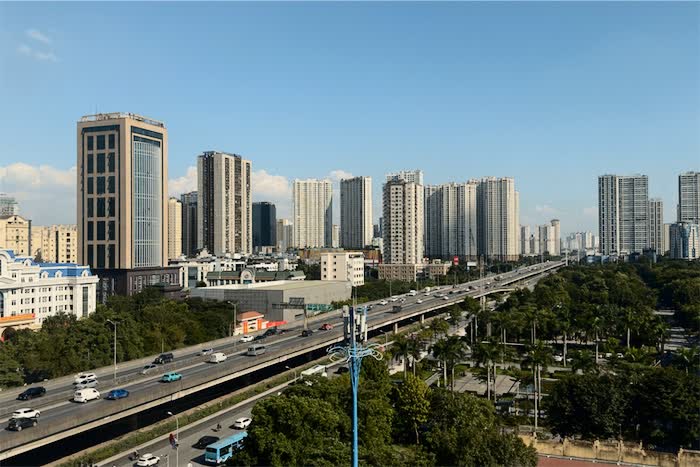 0+3
How much of each colour the film lays down — 1998 Neg feeds the whole palette more dye, all the way up.
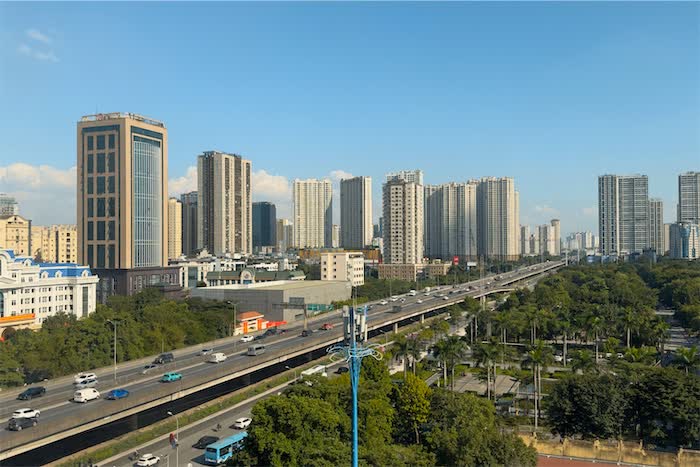 0+4
Depth in the strongest colours: saturated reds and blues gain density and shading instead of blowing flat. 1998 Neg carries the strong grade.
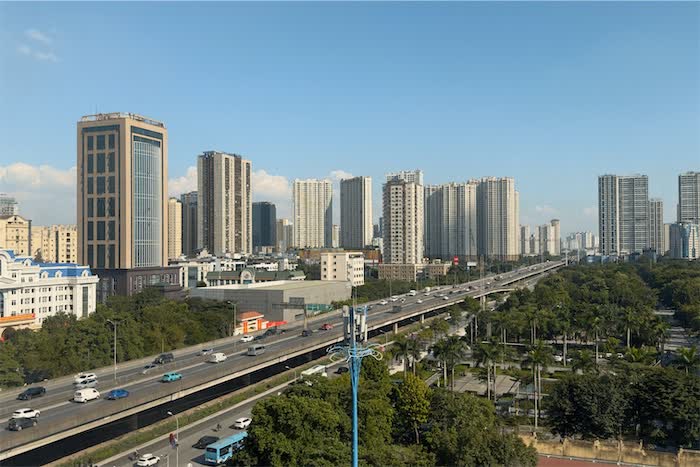 OffStrong
The headroom kept for the highlights. At 1998 Neg's DR200 an extra stop of the brightest tones is held and rolled back down, the way a negative holds a bright sky.
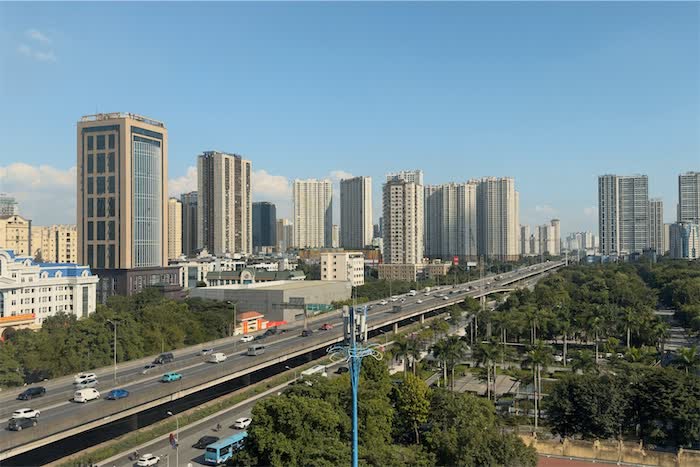 DR100DR200
A recipe can build in an exposure drop or lift, in thirds of a stop, under whatever you dial at the shutter. 1998 Neg builds in none, so this pair shows a demonstrative −2/3.
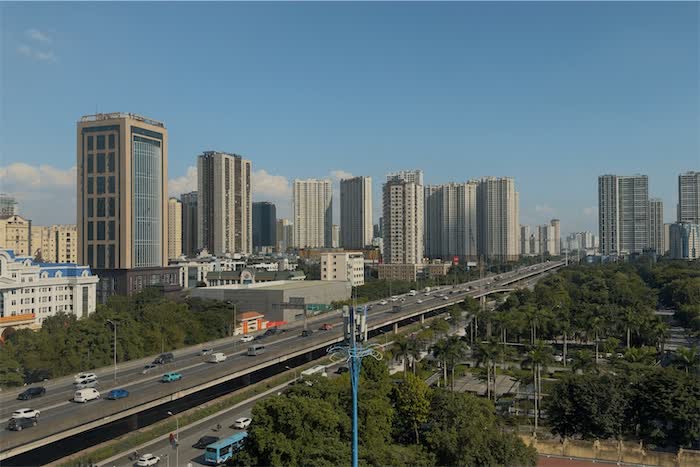 ±0−2/3
Local contrast. Taken away, edges and textures soften into a bloom the way an old uncoated lens draws — 1998 Neg eases it three steps.
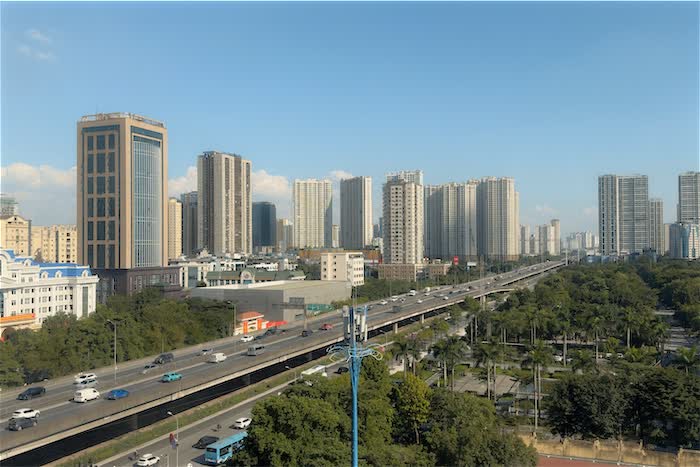 0−3
Fine detail at the pixel level. 1998 Neg eases it two steps for a gentler negative, where a raised step would make brickwork bite.
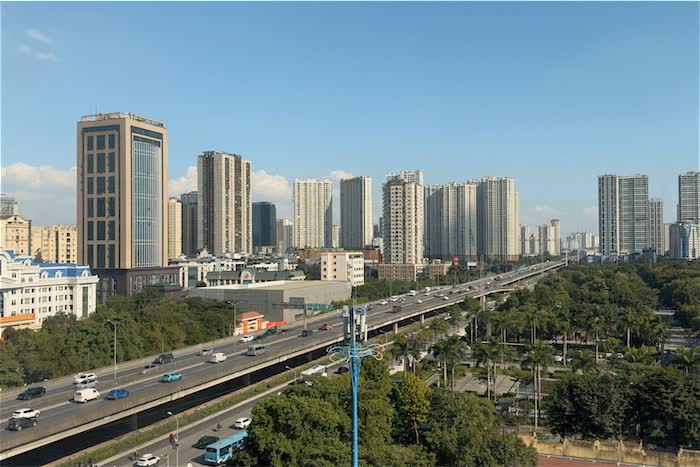 0−2
The texture of the stock. 1998 Neg wears a light, fine grain — 25, small — that sits in the picture, not on it; watch it hold to the sky.
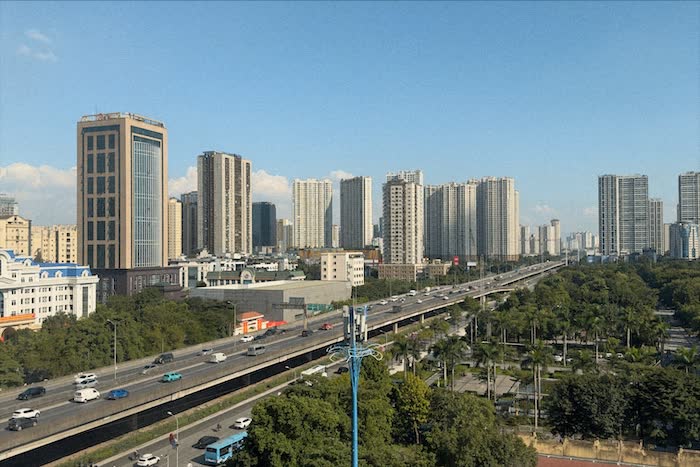 Off25 · small
The red-orange glow film blooms around its brightest edges — sun on a facade, a bare bulb, light bounced back through the emulsion. 1998 Neg keeps it quiet, at 10.
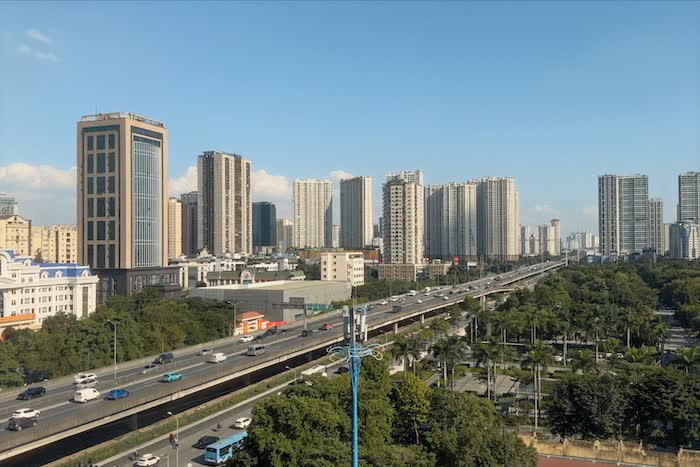 Off10
The frame's edges eased down, pulling the eye to the middle the way a fast lens wide open does — a gentle 10 here.
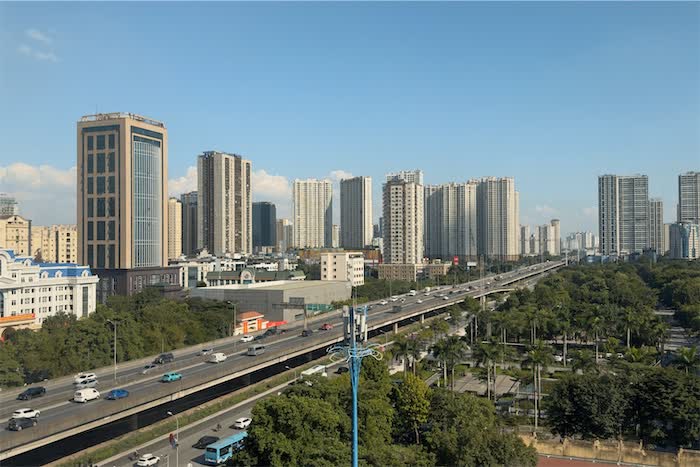 Off10
Points of light drawn into stars, the way a stopped-down aperture flares a street lamp. It needs true points of light, so it shows at night rather than on this daylight scene.
no picture — it needs lamps, not noon
Holds faces back from the film's strongest colour moves, so a bold palette does not walk over skin. It needs a face in frame to show itself.
no picture — it needs a face, and this scene has none
Three dials on the film itself: Drift leans the whole character further its own way or back toward neutral, Bleed lets neighbouring colours cross-talk like dye layers do, and Compress fades the deepest shadows the way a print lifts them.
three dials on the film itself
Borders and date stamps are camera controls, set per shot — they are not part of a recipe, so they have no card here.
One scene, every film
One shutter press, developed through 20 different looks. Pick one — the two marked built in Fonder are custom recipes made with the recipe builder below, proof the dials above are yours too.
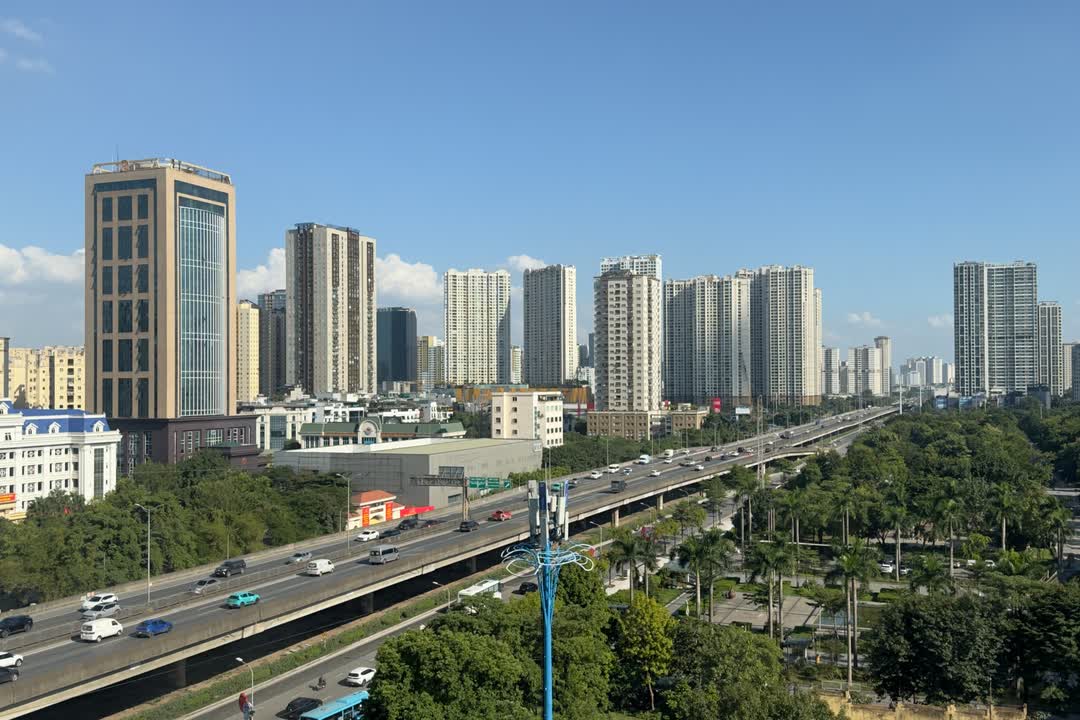
Build your own
Every setting above is a control in the app, not a preset you are locked out of. Start from any shipped recipe, turn the dials while the viewfinder answers, and save what you land on as your own — the two custom looks in the scene above were made exactly this way.
RecipeToffee Neg · yours
FilmToffee Neg
ToneH −2 · S +1
Colour+3
White bal6300K · R+1 B−2
Grain30 · small
Halation16
SaveSave as new recipe
NameSunday Flyover
BaseToffee Neg
ShareBy QR code
Read five closely
Four recipes and one of the films they stand on, read closely. Everything claimed here comes from the recipe itself — the same records the cards below are built from.
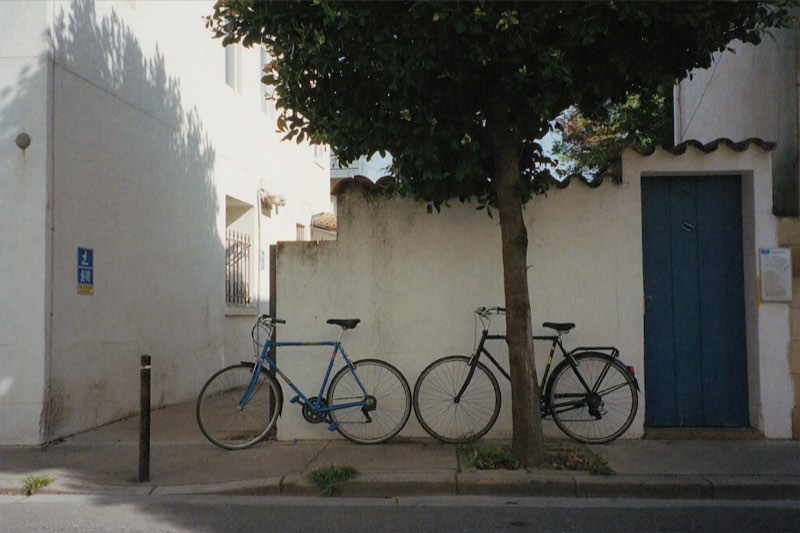
The recipe
For when the light is already perfect.
The plain reading the rest of the catalogue departs from, on Diary Neg: an honest photograph with a little more colour in it, and nothing pushed toward a mood.
Best for — Days when the light is already right and you want the photograph, not the recipe.
Try it when — The light is already doing the work.
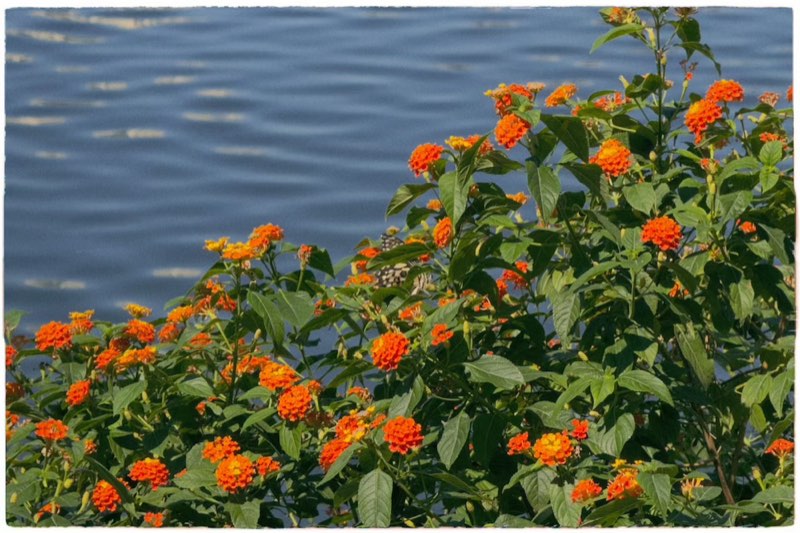
The recipe
For days you'll miss in December.
The strong-sun chrome, built on Daylight Cine: shadows cool while highlights warm, so the two ends of the frame disagree — and a face sits protected between them.
Best for — Open midday light with a real highlight in the frame — the headroom is built for it.
Try it when — Strong sun, and you want to keep the heat in the picture.
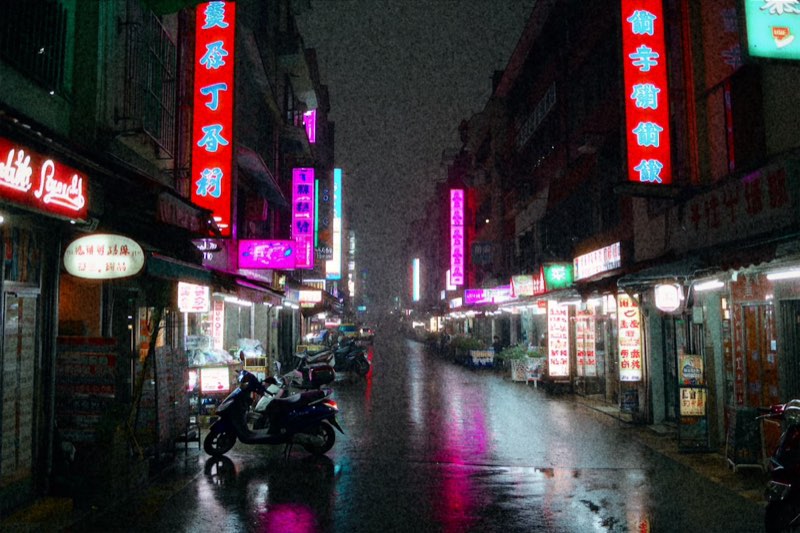
The recipe
For humid nights full of signs.
Humid neon — the warm kind of night. The glow is let run and the edge is taken off, so the air between you and the lights is part of the picture.
Best for — Dense signage after dark, ideally with water or wet ground to carry the glow. A dry, clean night gives it nothing to work with.
Try it when — The air is thick and every shop is still lit.
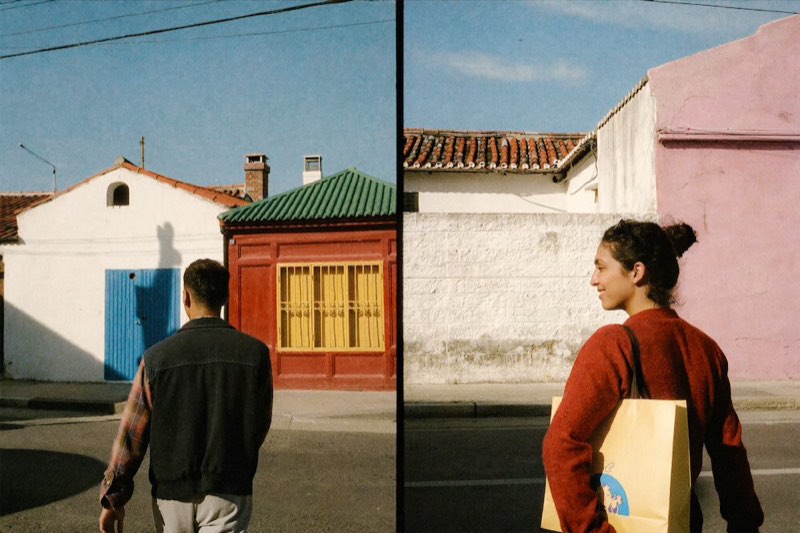
The recipe
For ordinary days done gently.
Lost Summer Neg as an everyday summer roll: colour kept quiet and slightly faded, tones soft and even, the kind of roll that covers a whole ordinary week.
Best for — Everyday summer days — streets, errands, trips and friends outdoors in good light. Under hard midday sun with a bright sky, raise the dynamic range to hold the brightest parts.
Try it when — Nothing special is happening and you want to keep it anyway.
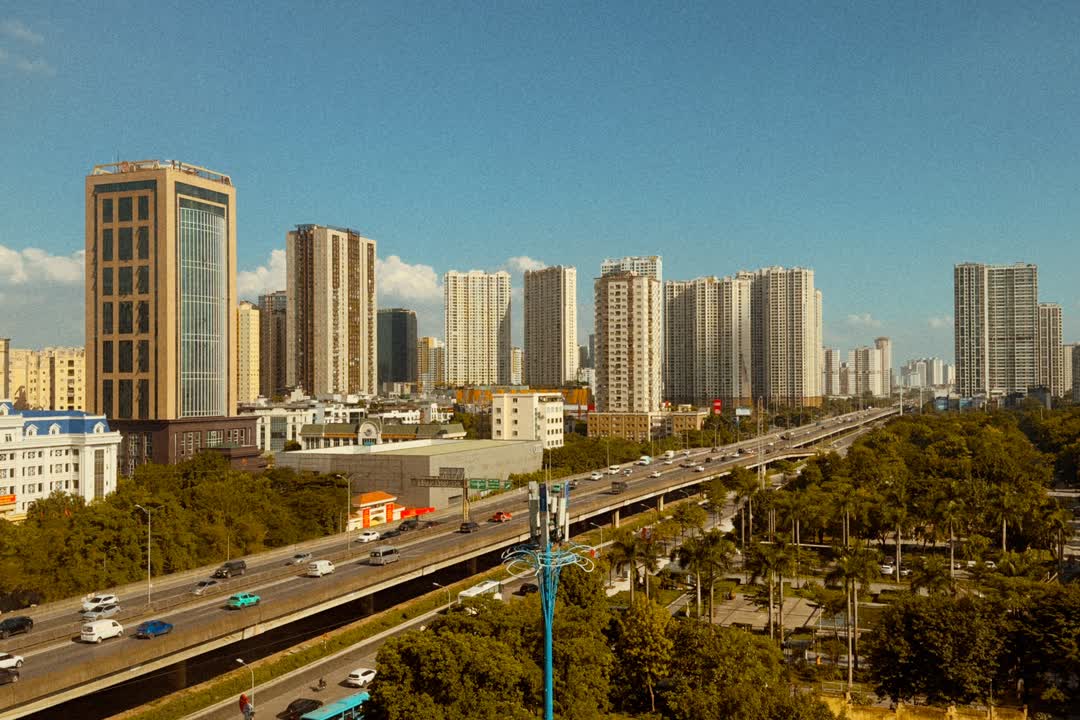
The film
For photos that feel found, not taken.
Not a recipe — one of the films the recipes stand on, and the one this page's hero is developed through. It is also the roll on the homepage: loaded in Film Roll, shot blind, developed all at once.
Best for — Whole rolls. A look this settled suits shooting blind and meeting the pictures later, already warmed through.
Try it when — The day already feels like a memory.
How to choose a film
There is no correct choice. The same place photographed with a different film becomes a different memory.
Built before the shutter
A Fonder film is more than a filter applied afterward. It decides how highlights roll off, how shadows sit and how colour behaves — in the viewfinder, before the shutter. You choose the film before taking the photo, so the visual decision becomes part of shooting, not another task waiting for you later. No preset hunting. No editing session. Just choose a film and use it.
Want to see what each setting actually does? Every control, shown honestly →
The catalogue
All 51 of them — each with its film's palette line (six memory colours run through that film's own maths, the way the app draws it) and its grain, on a sample image with the recipe applied. Sample images are illustrations.
For days you'll miss in December.
Daylight Cine
Midday sun comes back warm rather than white, and the sky behind it keeps its blue instead of bleaching out. A white wall or a windscreen rounds off gently at its brightest edge, and faces hold their warmth while the rest of the frame cools away from them.
Grain off — opens clean — grain is yours to dial
Open midday light with a real highlight in frame for the headroom to hold.
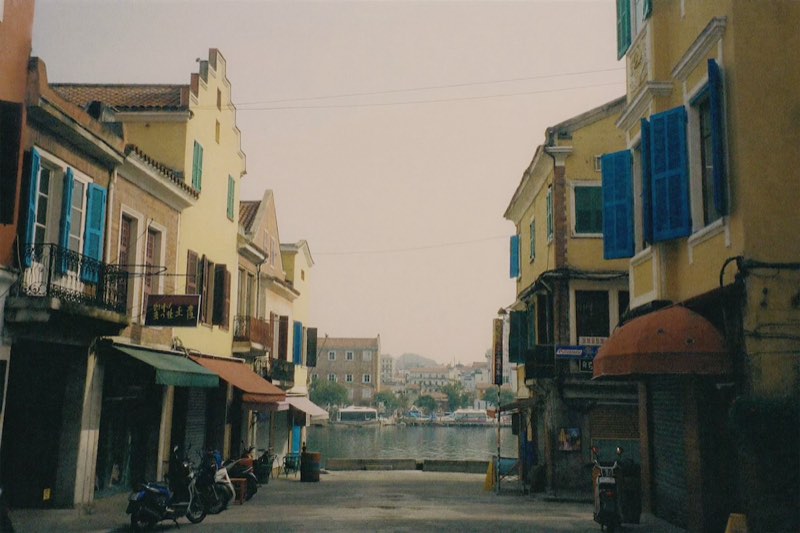
For humid mornings in the old streets.
Harbour Cool
A white, humid sky that still has an edge to it, damp brick and render with the hardness taken off, and the blues and greens of shopfronts and water staying apart instead of running into one another. The weight of the picture sits low, under a sky that is never allowed to go blank.
Grain off — opens clean — grain is yours to dial
Humid, hazy city light where the sky is white and nothing below it is.
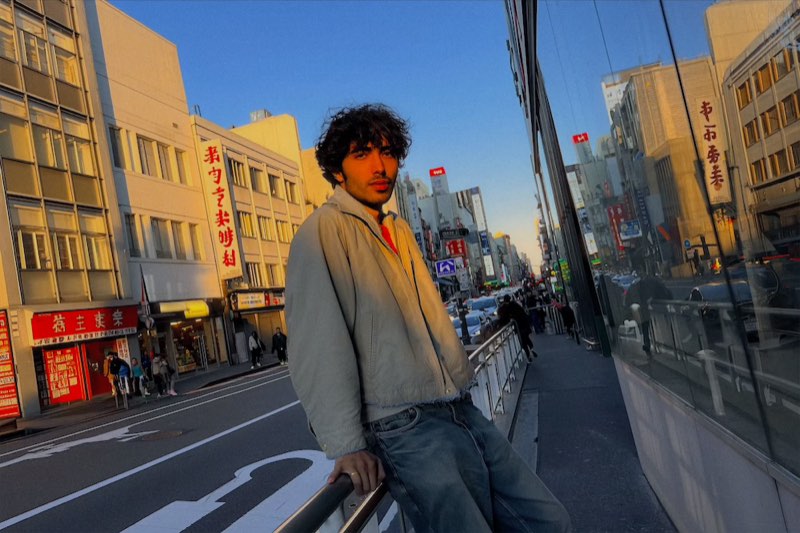
For the last hour of golden light.
Amber Neg
Late warm light printed soft: nothing burns out, nothing falls to black, and anything bright enough — sunlit hair, a glass — spreads a little glow around itself. Skin runs warm and gentle while the sky behind it sits heavier.
Grain 20 · small — a fine, quiet grain
Low warm light on people; it has nothing to give a flat grey day.
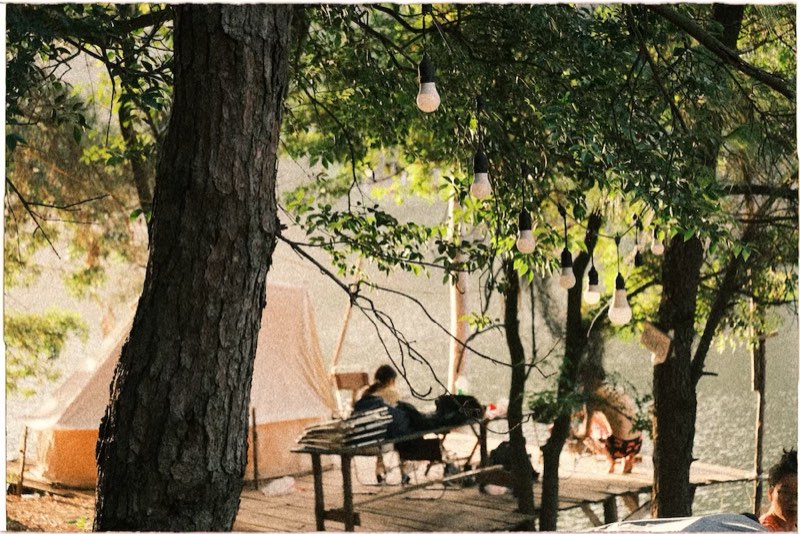
For strong sun and stronger colours.
Chrome Slide
Colour at its heaviest: red that stays red in full sun, green that goes deep rather than bright, and a sky that darkens toward the top of the frame instead of washing out. The dark parts close up rather than opening, so the picture reads dense and a little severe.
Grain off — opens clean — grain is yours to dial
Directional sun on a subject that can take contrast; it will crush a dull sky.
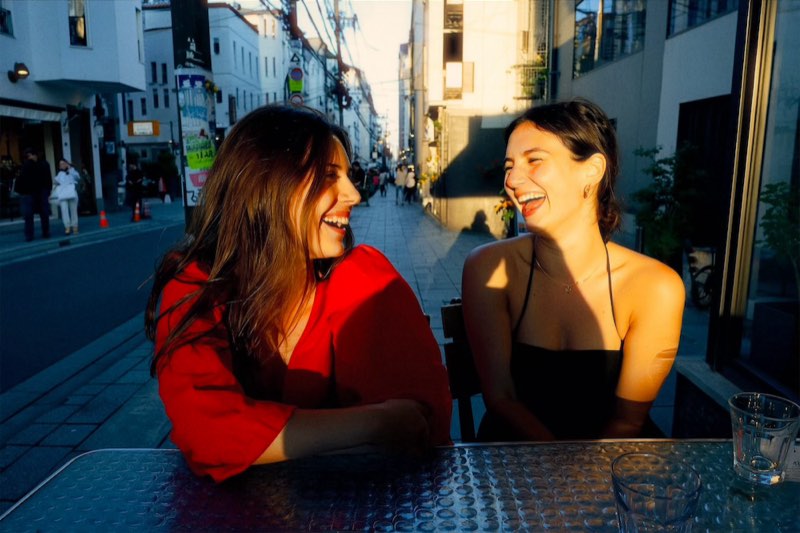
For evenings that feel like old albums.
Amber Neg
A warm snapshot: strong colour, peach through the bright parts, and light that spreads out of them further than it should. The darkest corners never quite arrive at black, so it reads like a print from a shop machine rather than a scan, and faces are flattered by it.
Grain 20 · small — a fine, quiet grain
People in warm evening light; it is not a landscape tool.
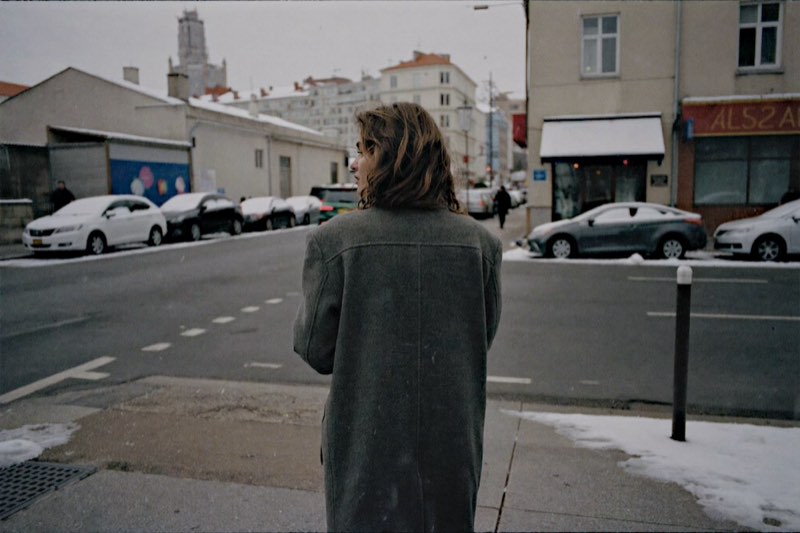
For grey days you choose on purpose.
Overcast
Cold, quiet colour under a flat sky: blue stays pale and lifted, purples fall away, and nothing anywhere looks sunlit. Concrete, cloth and cloud all keep their texture, and the weight of the picture stays low in the frame.
Grain off — opens clean — grain is yours to dial
Grey days and cold subjects, where weak light should look chosen rather than endured.
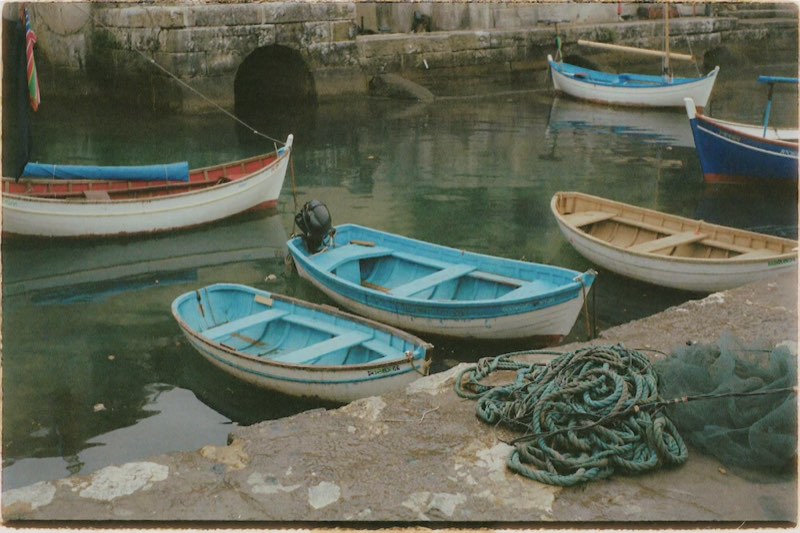
For wet weather and standing water.
Harbour Cool
Water and greenery carry the picture — sea-green and cyan come up strong while everything else stays ordinary — and no edge in it is hard. Surfaces go soft and faintly warm, so a wet, shaded scene feels calm rather than cold.
Grain off — opens clean — grain is yours to dial
Harbours, pools and wet weather, when you want the water's colour and none of the sharpness.

For quiet afternoons indoors.
Faded Print
A print left too long in the light: colour muted but not gone, blacks sitting at grey, and one even warmth over the whole frame rather than two. Skin comes out pale and smooth, and the picture keeps the same level weight corner to corner.
Grain 15 · small — a fine, quiet grain
Window light and people indoors; hard sun would fight the lifted shadows.
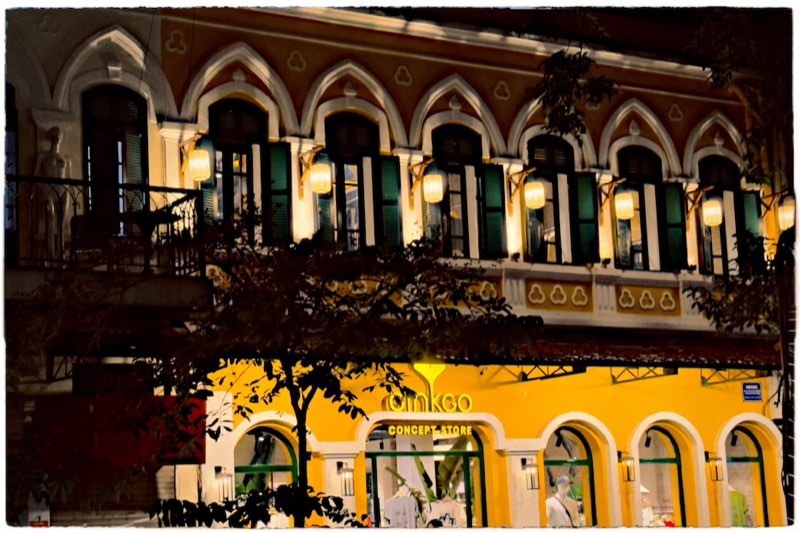
For nights that get a little messy.
Ember
Firelight, bulbs and tail lights come back hotter than they were, spilling glow into the dark around them while the dark itself stays dark. Nothing cool survives anywhere — even the shadows lean warm, and a face by a fire takes the heat straight.
Grain off — opens clean — grain is yours to dial
Fire, bulbs and tail lights after dark; in daylight it is just orange.
For when the light is already perfect.
Diary Neg
An honest photograph with a little more colour in it: whites stay white, shadows stay open, the corners stay as bright as the middle, and nothing is pushed toward a mood. It is the plain reading the rest of the catalogue departs from.
Grain off — opens clean — grain is yours to dial
When the light is already right and you want the photograph, not the recipe.
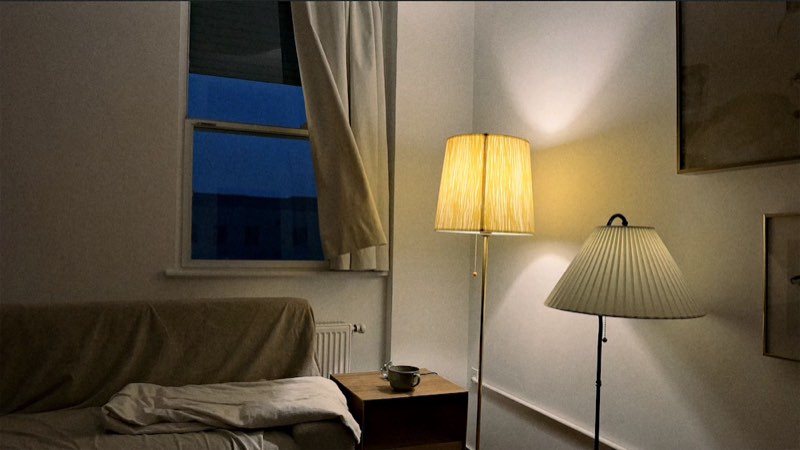
For rooms lit by lamps.
Tungsten Cine
A room lit by bulbs comes out neutral — white walls white, skin normal — while the window and everything beyond that light turns cold blue. The lamps themselves bloom, and a face beside one keeps its detail instead of burning away.
Grain 30 · small — a light grain that reads as film
Rooms lit by bulbs; take it outside at midday and everything turns blue.
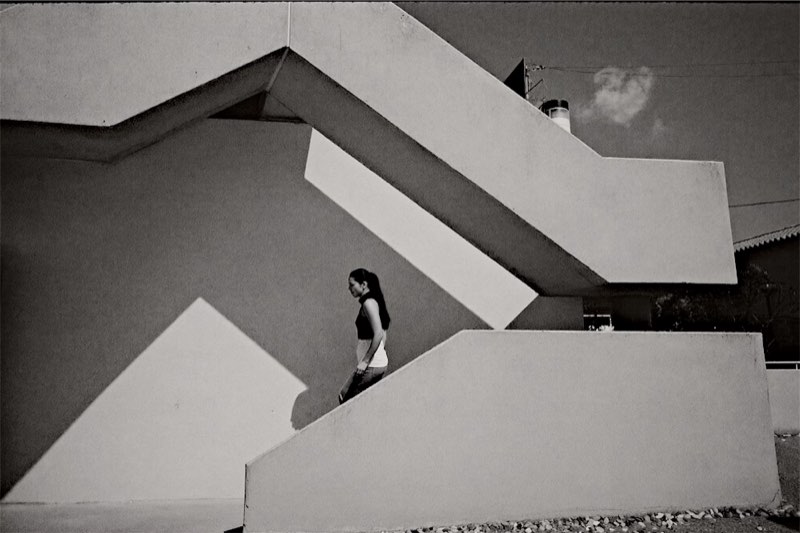
For hard light and harder lines.
Silver Cool
Black and white with real black in it: hard shadow against a bright wall, edges that stay edges, and nothing glowing anywhere. The grey sits close to neutral rather than cool, which is what separates it from Silver Mono on the same film.
Grain off — opens clean — grain is yours to dial
Architecture, hard shadow and anything with an edge worth keeping.
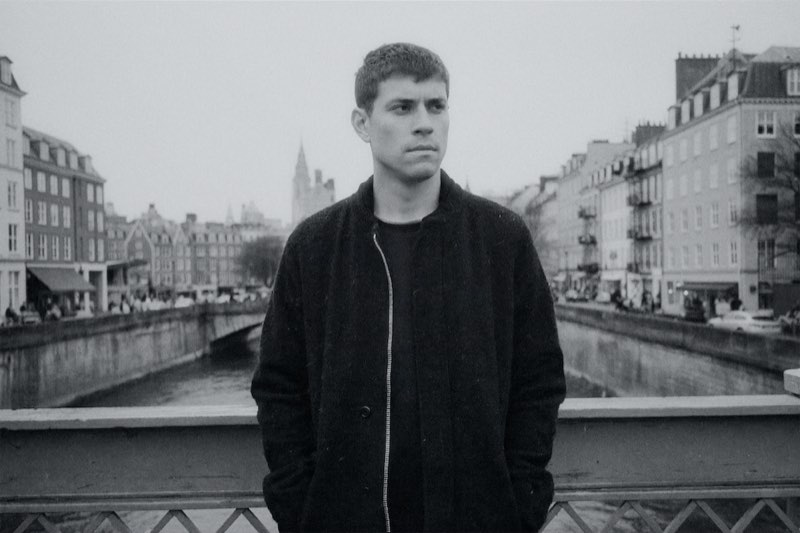
For soft grey days in black and white.
Silver Cool
Black and white that holds the brightest cloud and the darkest coat in one frame, in long, cool greys with soft edges. Nothing in it bites, the shadows stay open, and the film's blue-grey tone is left in rather than pulled out.
Grain 25 · small — a light grain that reads as film
Flat and overcast days, and any scene whose shadows have to stay open.

For pale mornings and soft things.
Pastel Day
Everything a shade lighter and quieter than it was, with a faint pink through the whites and bright areas that fade away rather than burn to white. Yellows keep more of themselves than anything else, so one warm object can still sing in a chalky frame.
Grain 15 · small — a fine, quiet grain
Soft daylight on pale subjects; strong colour in the scene is muted, never amplified.
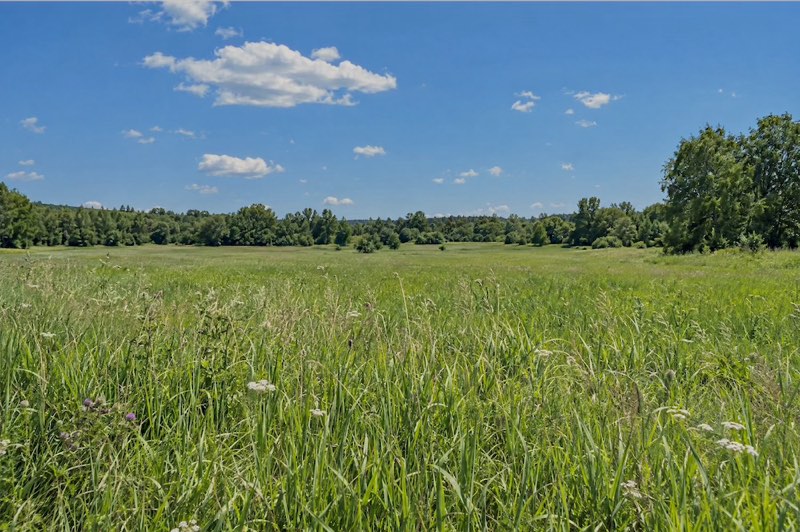
For long grass and open country.
Meadow
Grass and leaves become the brightest thing in the frame and lean yellow-warm rather than cold, so a field lightens instead of deepening. Blades and branches stay separate from one another instead of merging into a single mass, and the sky above them holds.
Grain off — opens clean — grain is yours to dial
Open country in summer; the two stops of headroom are there to hold the sky.
See it on the shared scene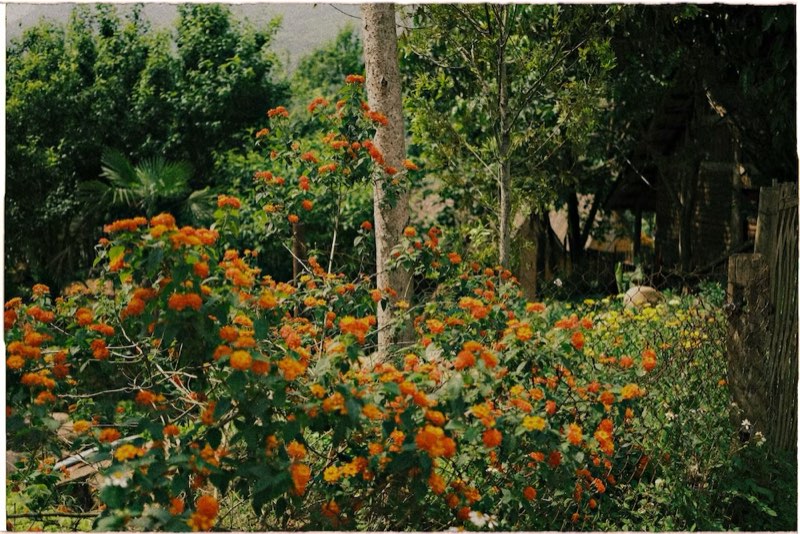
For forests darker than the sky.
Verdant
Green goes deep, cold and heavy rather than bright, leaving foliage darker than the sky behind it. Inside that mass the individual branches stay readable, and nothing red or orange in the frame is allowed to compete with the green.
Grain off — opens clean — grain is yours to dial
Dense green under strong light; in overcast it turns heavy.
See it on the shared scene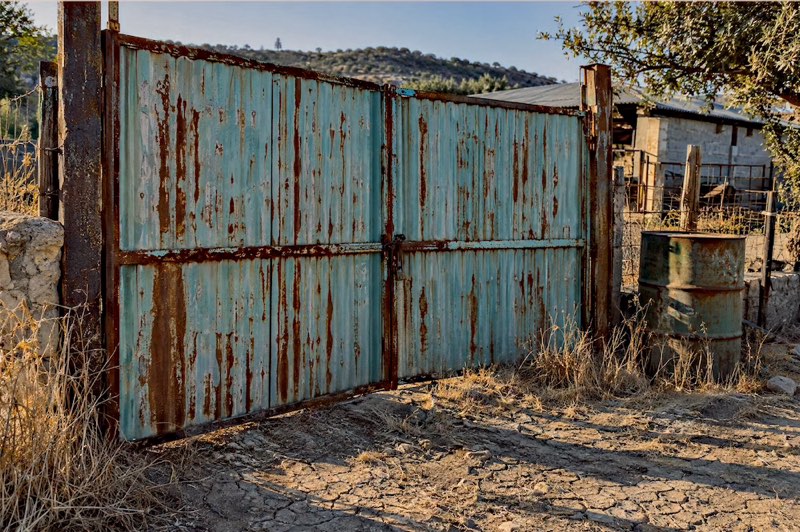
For old paint and dry ground.
Rust
Dry ground, old paint and corroded metal: the warm end of the frame collapses into one oxidised colour and greens turn olive and strawy. Blue is held right down, so nothing anywhere in the picture reads as fresh or cool.
Grain off — opens clean — grain is yours to dial
Dry ground, old paint and rusted metal in low sun.
See it on the shared scene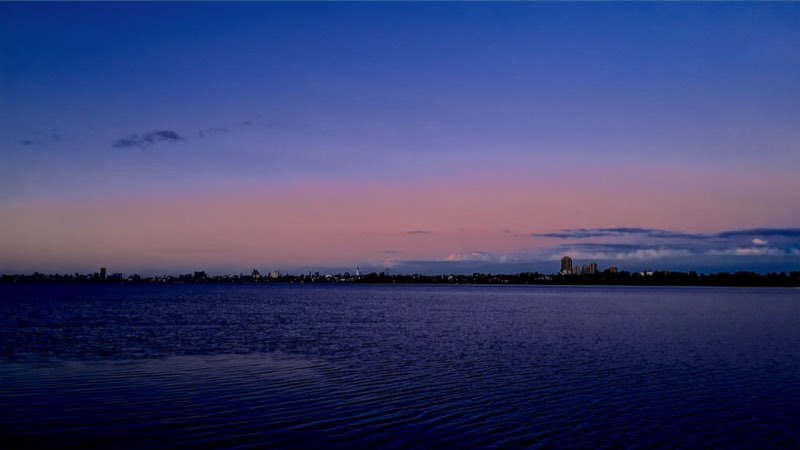
For twenty minutes after sunset.
Dusk
The sky twenty minutes after sunset: pink and violet held in the cloud, the top of the sky separating cleanly from the bottom, the whole gradient smooth rather than stepped. The ground underneath stays readable instead of sinking into mud.
Grain off — opens clean — grain is yours to dial
The half hour either side of sunset, with sky in the frame.
See it on the shared scene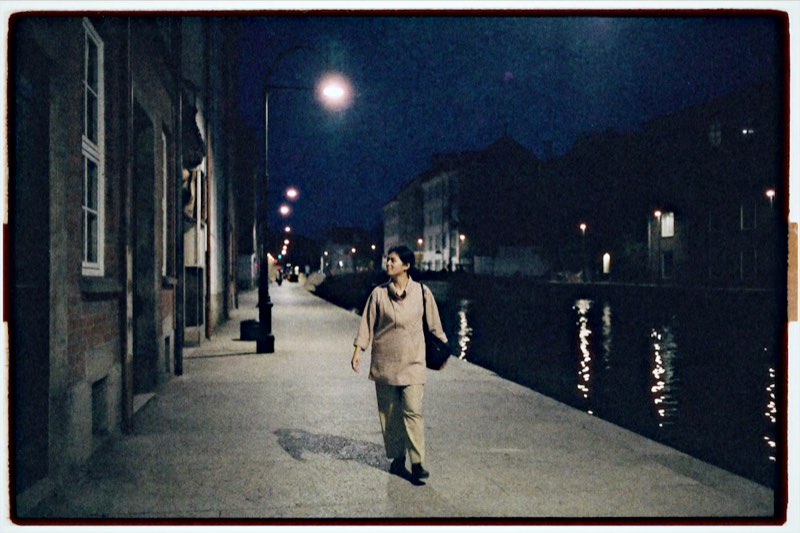
For cold streets after dark.
Nightshade
A cold street after dark: the sky goes deep blue, the dark stays dark, and only the lamps themselves bloom. Grain sits visibly across the whole frame, and a face keeps just enough warmth to read against everything else that has gone blue.
Grain 40 · large — a soft, present grain
Streets after dark away from warm light; it renders a tungsten scene cold on purpose.

For staying outside five minutes longer.
Magic Hour
Shot into low sun: gold runs through everything the light touches and the sun keeps its shape instead of flaring into a white hole. Faces are deliberately held back from the warmth, so a person stays the right colour while the field around them turns.
Grain 20 · small — a fine, quiet grain
Shoot into low sun; it is built for backlight, not for overhead light.
For staying out too late.
Neon Night
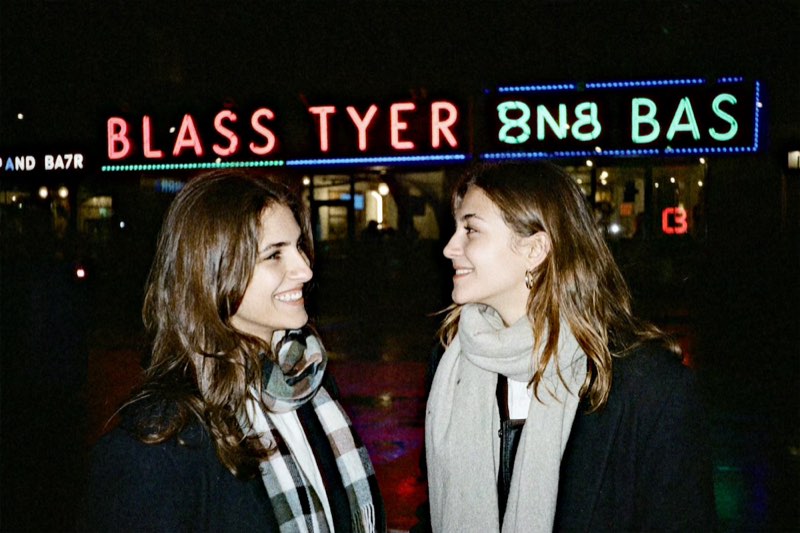
Lit signs keep their colour instead of burning to white in the middle, and what they spill onto wet pavement comes back coloured too. Between them the dark is hard and empty, and faces stay ordinary so the signs are the only loud thing in the frame.
Grain 40 · large — a soft, present grain
Lit signs and wet pavement; it needs a coloured light source to work on.
For rolls developed wrong on purpose.
Acid Cross
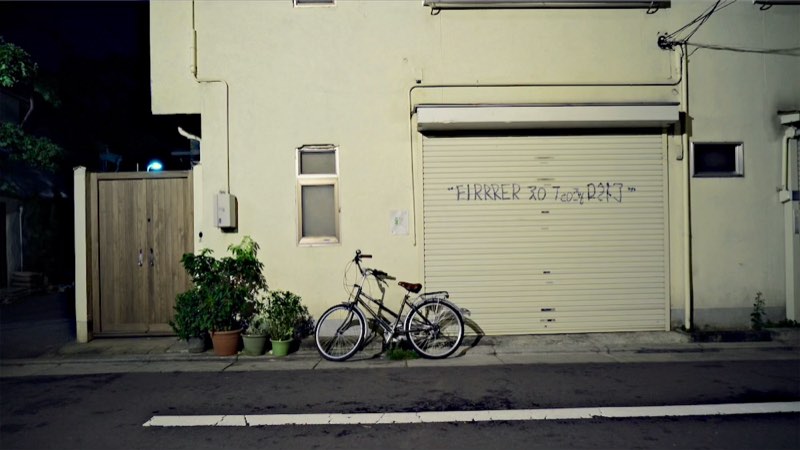
Every colour has slid to the one next door — grass toward blue-green, a red door toward orange, a blue wall toward purple — and faces slide with them. Whites pick up a green tinge, the shadows pool magenta, and the whole thing reads as a roll developed wrong rather than a treatment.
Grain off — opens clean — grain is yours to dial
A deliberate effect, best on plain subjects and flat light that can absorb the shift.
See it on the shared scene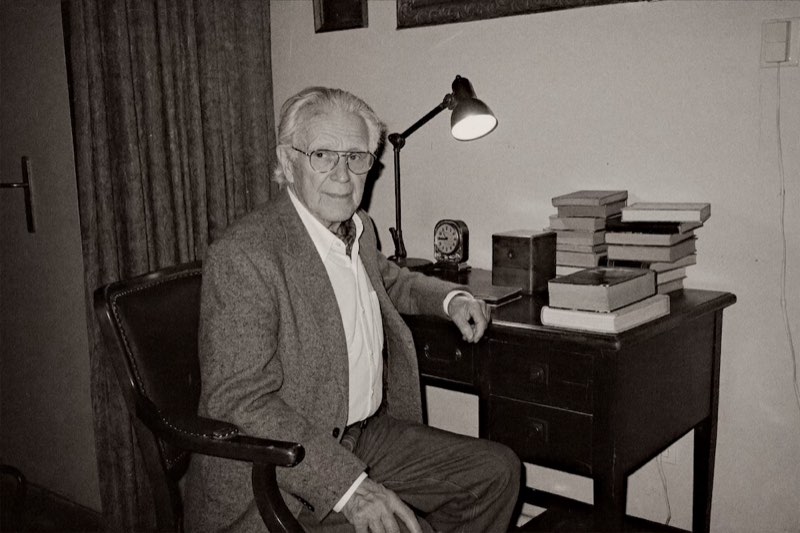
For things that were already old.
Sepia Mono
A warm-toned print: brown through the dark parts, easing to a lighter warmth as the picture brightens. The middle greys sit where a print's do rather than a negative's, and the whole image reads as something that has aged.
Grain 25 · small — a light grain that reads as film
Still subjects and old surfaces; the toning reads as age, so it argues with a modern scene.
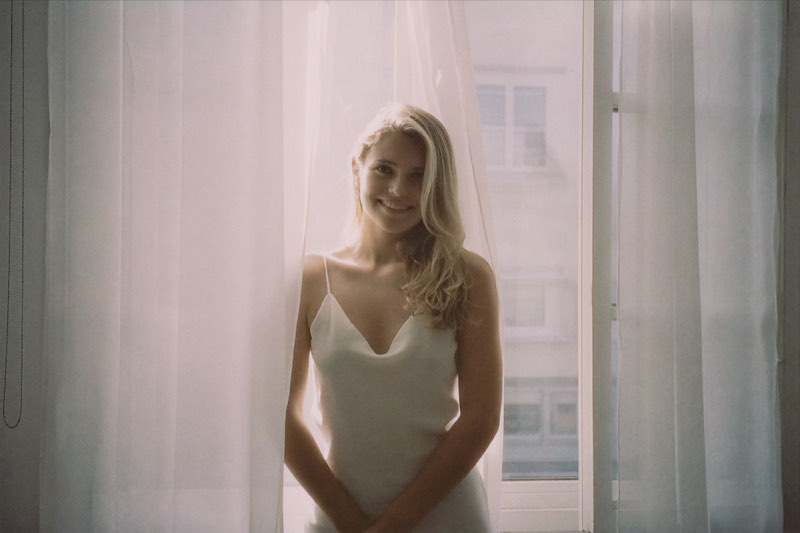
For memories more than moments.
Dream Haze
Light spreads out of the bright parts and keeps going, so the whole frame glows and the dark parts never close. Colour drops to about half of what it was, and skin is the last thing still holding any — pale and smooth in a picture that has given up.
Grain 15 · small — a fine, quiet grain
Backlight and pale subjects; it will fog a night scene into nothing.
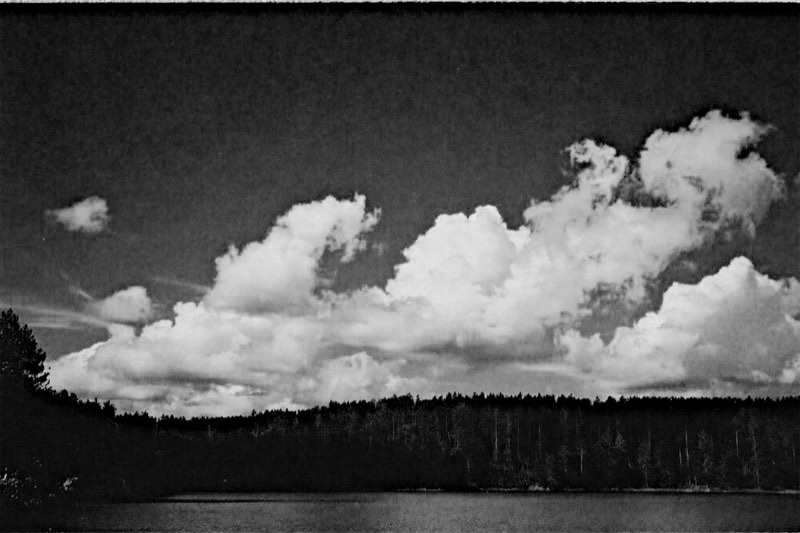
For big skies and bold shapes.
Scarlet Mono
A near-black sky with white cloud standing clear of it, foliage gone dark, and skin a good deal lighter than you expect. It is the most graphic photograph in the catalogue: shapes first, tones second.
Grain off — opens clean — grain is yours to dial
Blue sky with cloud in it; on an overcast day the filter has nothing to separate.
See it on the shared scene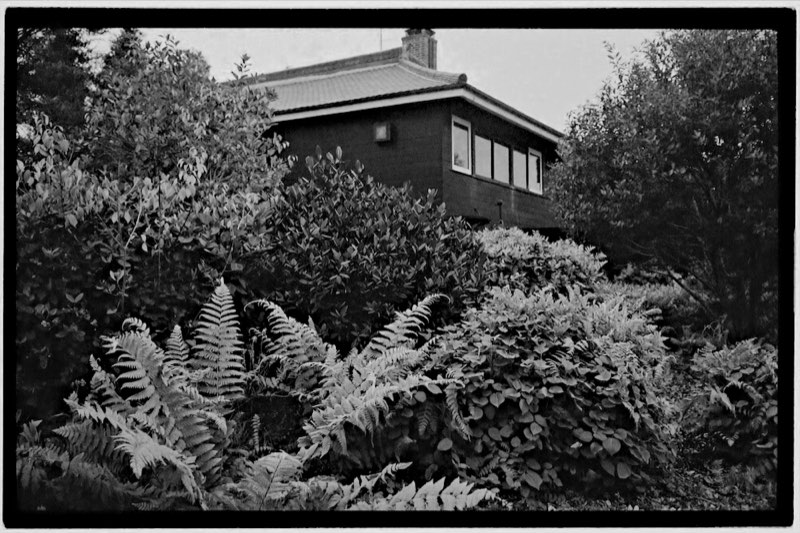
For gardens in black and white.
Fern Mono
Black and white that turns the usual around: a hedge comes out bright against a dark house and leaves keep their veins, while the sky settles to mid-grey. Where Scarlet Sky Mono blackens a sky to make cloud, this lifts the greenery and lets the sky come down to meet it.
Grain off — opens clean — grain is yours to dial
Anything green and structured; it darkens faces by about half a stop, so not portraits.
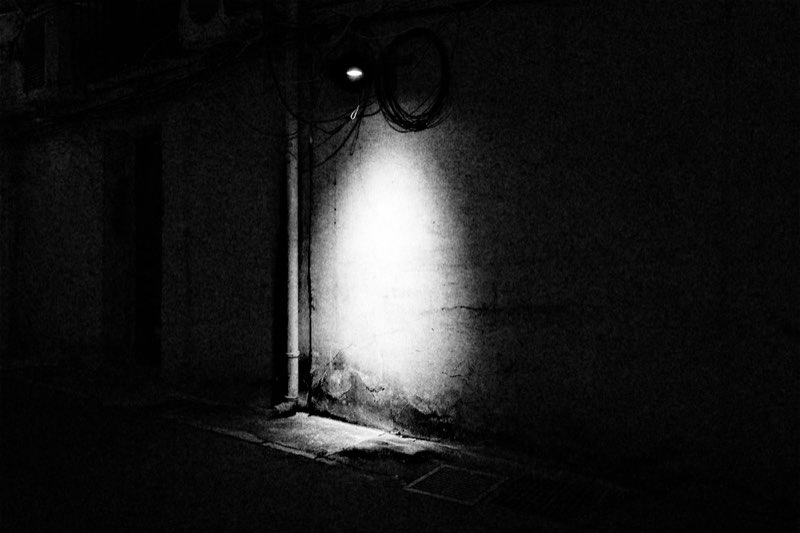
For nights too dark to bother — almost.
Grit Mono
Blacks and whites with very little between them, coarse grain over all of it, and corners that close in on the frame. A face becomes a shape rather than a set of tones, and the bright end runs straight into white with no easing.
Grain 75 · large — a coarse fast-film grain
Low light you would otherwise not bother shooting; it destroys a gentle scene.
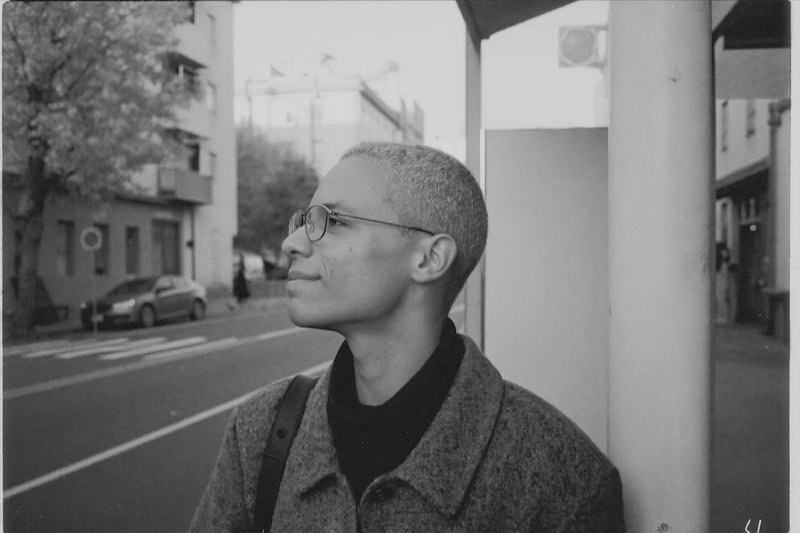
For quiet scenes left quiet.
Matte Mono
Black and white that refuses to be dramatic: grey where another recipe would give black, detail hanging on everywhere, and no extra bite put into the edges. The one monochrome here that leaves a scene exactly as quiet as it found it.
Grain off — opens clean — grain is yours to dial
Flat or shaded light where the shadows still have to read; it will not put bite back into a dull scene.
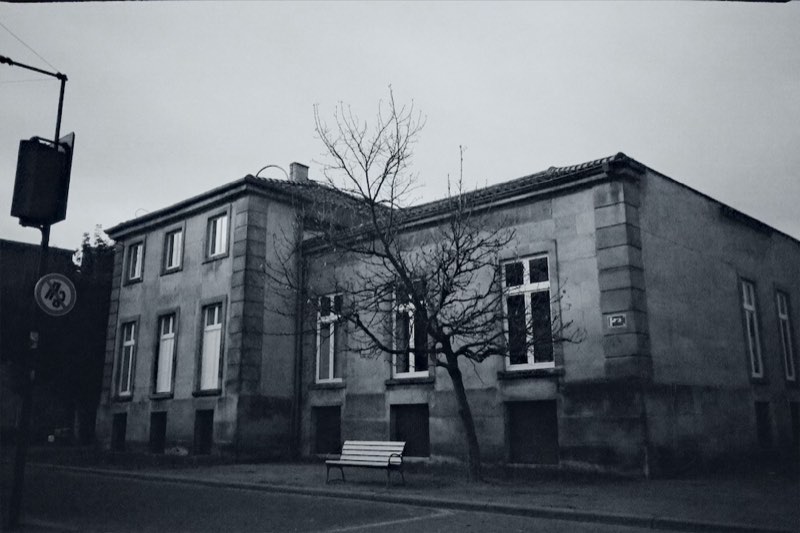
For cold light and quiet subjects.
Selenium Mono
A cool-toned print: blue-violet sits strongest in the dark parts and eases toward a plainer blue as the picture lightens. It is Sepia Mono read cold — the same movement of tone, run the other way round.
Grain off — opens clean — grain is yours to dial
Cold light and quiet subjects; the toning is easily lost in a warm scene.
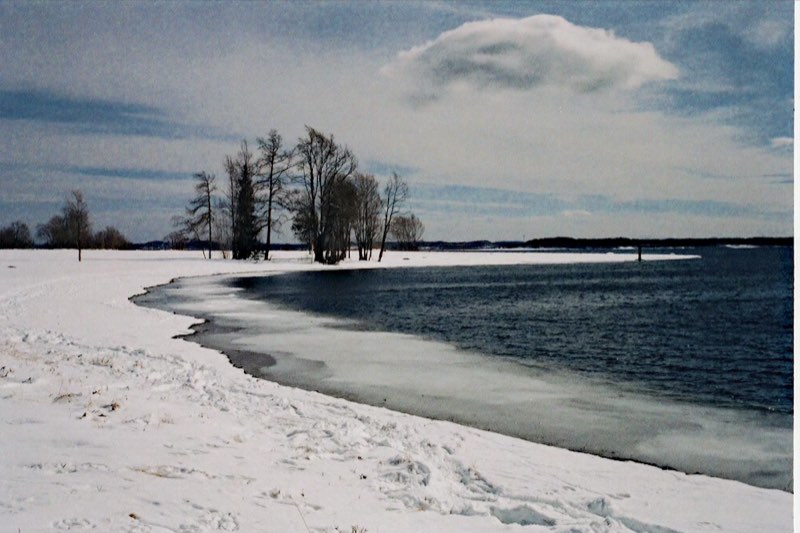
For snow, ice and white winters.
Frost Chrome
A cold slide film worked the way winter asks: no headroom spent, so the shadows stay clean, and the highlights held back so snow and cloud keep their edges instead of running together. Blue is pushed hardest, which is what separates ice from water from sky. Skin is given a little back, so a face in this light does not go bloodless.
Grain off — opens clean — grain is yours to dial
Cold light with something white in it — snow, cloud, water. It has nothing to give a warm scene.
See it on the shared scene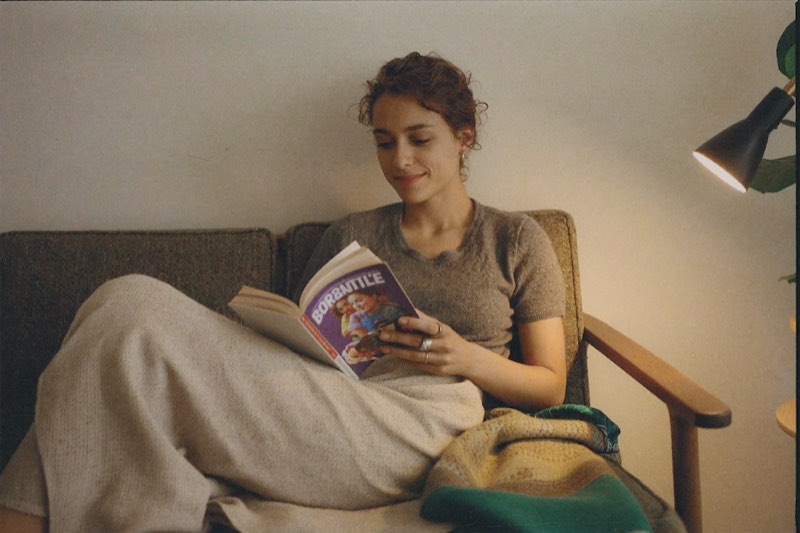
For lazy mornings with someone.
Rose Neg
A portrait recipe and nothing else. The bright end is pulled well back and the dark end opened, so a face has room at both ends, and the whole picture is deliberately soft — no edge put back, nothing sharpened. The warmth is a room's rather than the sun's. It works the same way on an animal.
Grain 20 · small — a fine, quiet grain
People indoors, in window light or a warm lamp. Not for a landscape, which it will leave flat.
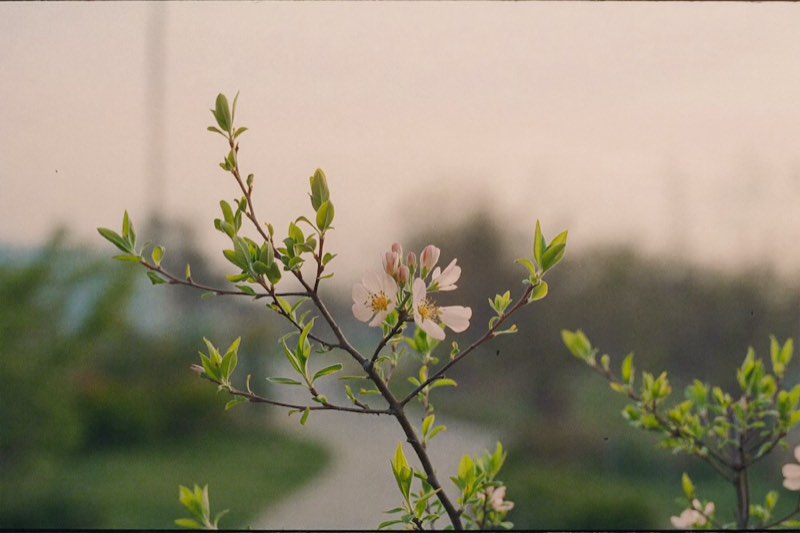
For the first weeks of spring.
Bloom Neg
Built for the weeks when the light is thin. Young leaves are lifted rather than deepened, pinks and pale yellows stay light, and the sky keeps its air. Nothing is forced — the softness is the point, and a scene with strong colour in it will simply be left gentle.
Grain off — opens clean — grain is yours to dial
New growth in soft light. Strong sun or deep summer green gives it nothing to do.
See it on the shared scene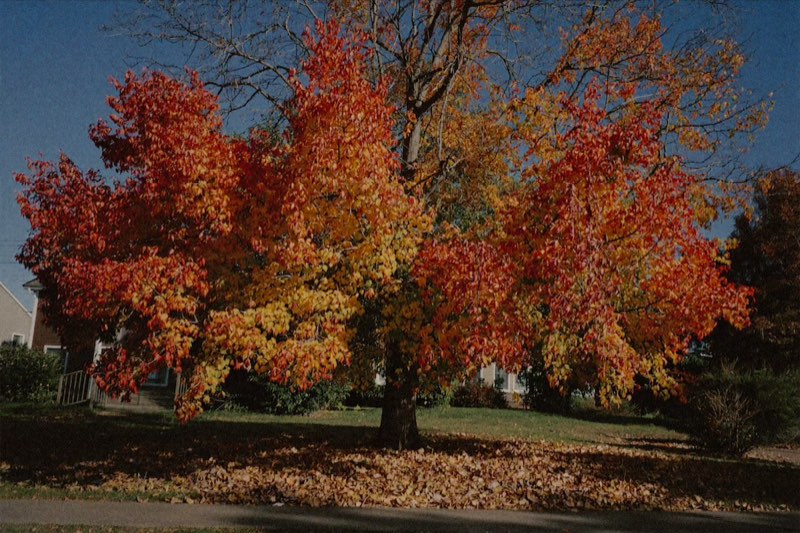
For turning leaves and low sun.
Rust
Autumn, and the work is in the greens: leaves turn toward olive while the warm colours gather into one deep rust, so a turning tree reads as a single mass of colour against a darker sky. Two whole stages of headroom are spent holding a low sun, and the grain is there because the season is not a clean one.
Grain 35 · small — a present, honest grain
Turning leaves under low sun. In full summer green it just looks tired.
For humid nights full of signs.
Neon Night
Humid neon. The blacks are lifted rather than crushed, the glow is let run, and the grain is coarse — a night that is warm and close rather than sharp. Reds and signage carry; the edge is taken off so the air between you and the lights is part of the picture.
Grain 60 · large — a coarse fast-film grain
Dense signage after dark, ideally with water or wet ground to carry it. A dry, clean night gives it nothing to glow on.
See it on the shared scene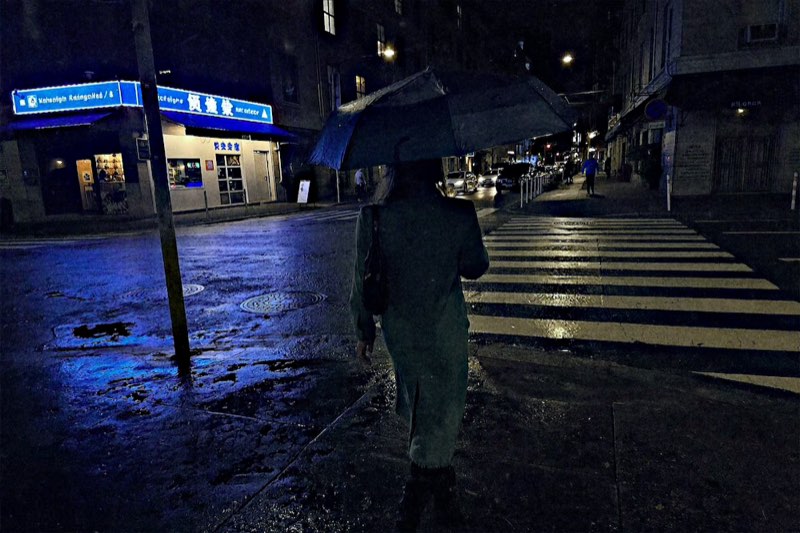
For rain, LEDs and midnight.
Nightshade
The other kind of night: colder, cleaner and sharper. Blacks close up instead of lifting, the light is read as colder so LED signage comes out blue-white rather than amber, and the edges are pushed so wet streets stay crisp. The glow is kept short, and the grain is finer than its warmer neighbour's.
Grain 40 · large — a soft, present grain
Cool signage and wet streets after dark. Under warm lamps it will fight the light rather than use it.
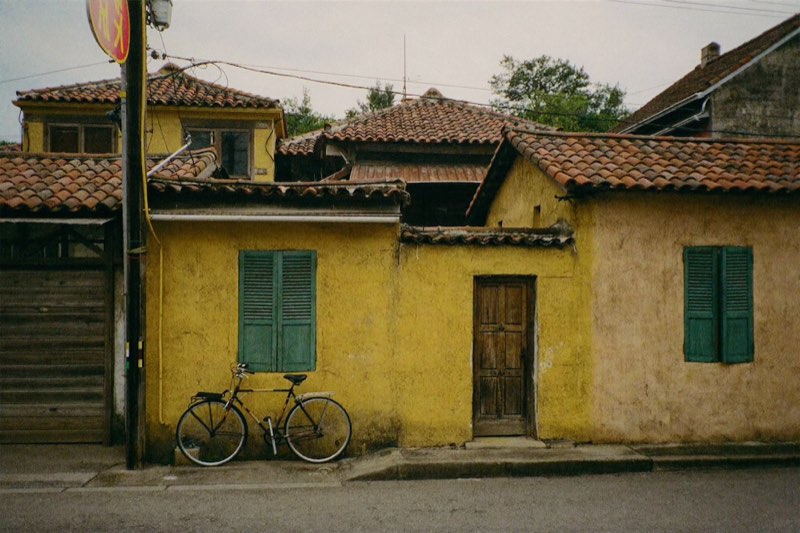
For streets older than you.
Harbour Cool
Old streets in the middle of the day. Yellow walls go to mustard, greens toward moss, reds fade back toward brick, and the blacks are lifted so the humidity in the air stays in the picture. The whole frame is warmed a touch without being turned orange.
Grain off — opens clean — grain is yours to dial
Aged walls, shutters and tile under daylight. On a modern street there is nothing here for it to age.
See it on the shared scene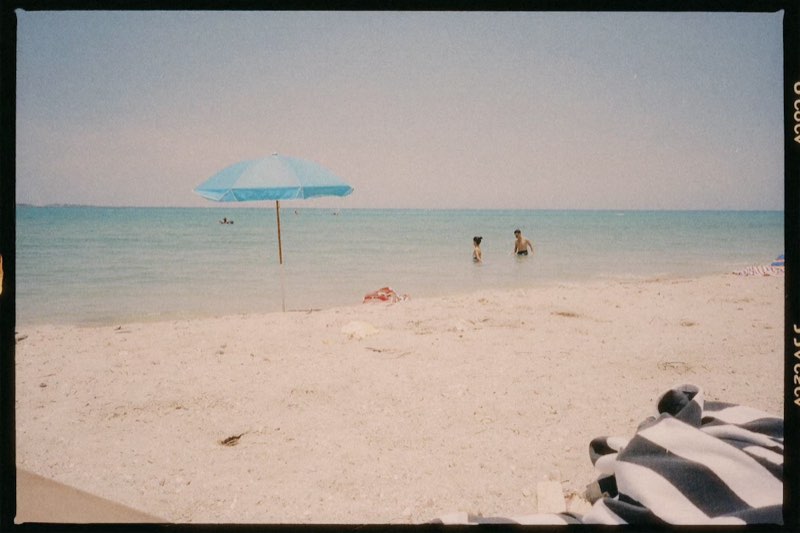
For summers that feel remembered.
Daylight Cine
Summer remembered rather than summer seen. The highlights are pulled down until they go soft, the shadows open, the colour comes off a little, and the warmth goes up — the look of a holiday photograph that has sat in a drawer. Soft throughout, with a little grain in it; nothing here is sharp.
Grain 30 · small — a light grain that reads as film
Bright open daylight you want to feel older than it is. It will take the bite off a scene that needed it.
See it on the shared scene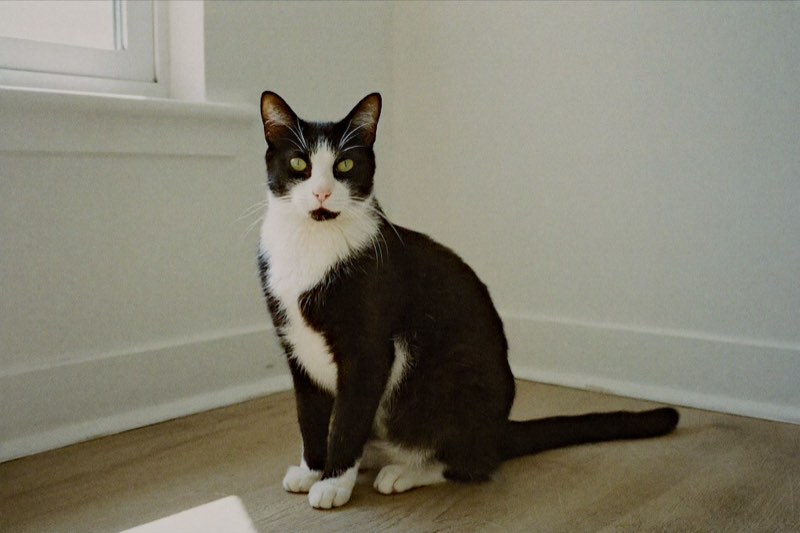
For the cat. Or the dog.
Rose Neg
Built for fur, which asks the two hardest things at once: hold a white coat before it burns out, and open a black one before it fills in. Both are pushed as far as they go here. The fine texture is lifted rather than smoothed away — fur without it reads as one grey mass — and the greens are kept low so a bank of grass does not take the animal sitting on it.
Grain 20 · small — a fine, quiet grain
Animals in soft light — indoors, or open shade. Hard sun defeats the highlight hold it is built around.
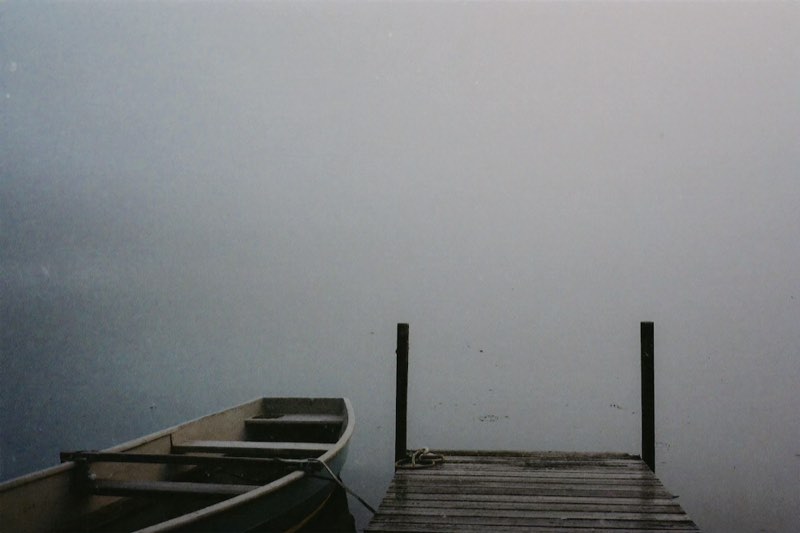
For fog on the water.
Harbour Cool
Cold humid morning on water, where the far bank is a suggestion rather than a line. Everything that would give the picture an edge is taken away so the film's own blue can be the subject: nothing in the frame goes fully black, colour is held close to grey, and the air between you and the far side is left in. Nothing darkens at the corners, because mist has no edge.
Grain off — opens clean — grain is yours to dial
Fog, water and early light. A scene with real blacks in it will look broken rather than soft.
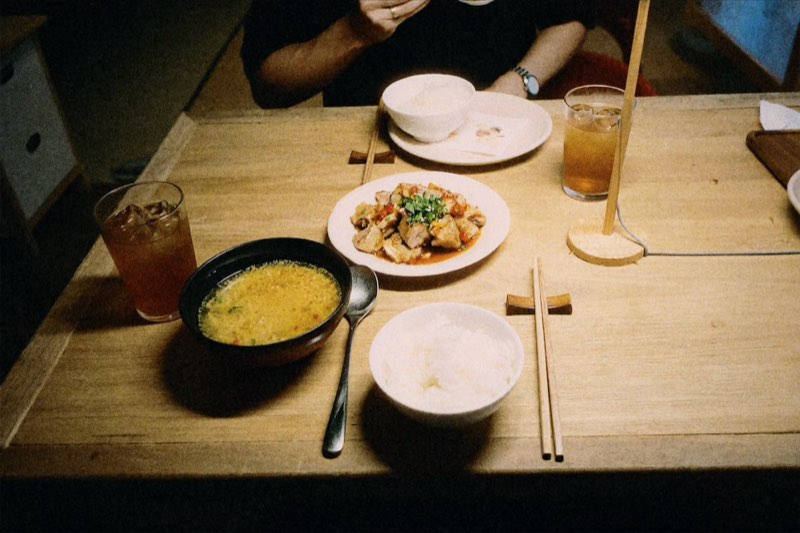
For the end of a good dinner.
Tungsten Cine
A table at the end of the night, lit by whatever bulbs the room has. Sauce stays red and broth stays gold while the cold end of the spectrum is pushed out of the way, which is what makes a warm room read as warm rather than orange. The headroom is spent on the white of a bowl, and the correction stopped a shade short so the food does not turn. The grain is there the way a fast film's is indoors — present, not coarse.
Grain 40 · large — a soft, present grain
Food and people under warm indoor light after dark. Daylight kills it — the blue push leaves a window dead.
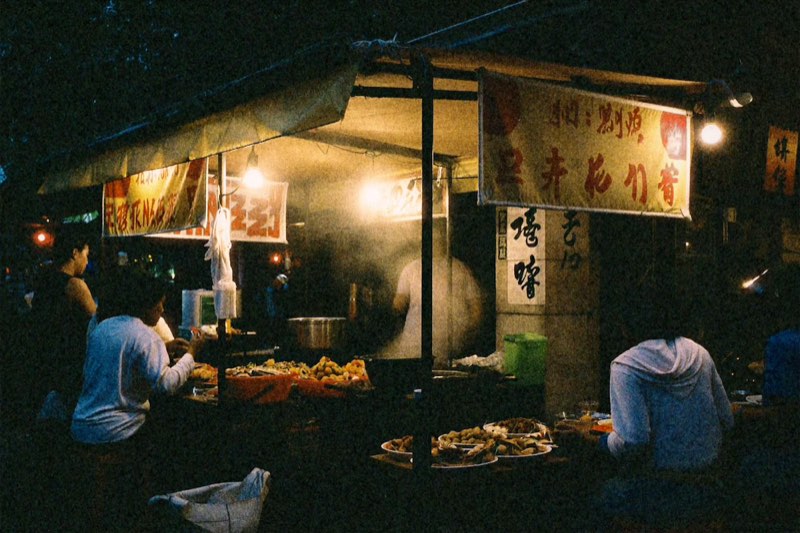
For steam, bulbs and crowded stalls.
Tungsten Cine
The same stock outdoors and loud. The dark between stalls is left dark, what the bulbs reach is opened right up, and the bulbs themselves are allowed to flare. The picture is softened for smoke and humid air, and the colour is let run further than anywhere else here. Mixed light is assumed — tungsten, fluorescent and LED in one frame — so the balance sits between them rather than on any one. The grain is coarse, as it is on any fast film pushed into a dark street.
Grain 60 · large — a coarse fast-film grain
Bare bulbs, steam and signage after dark. It needs a light source in the frame; without one the glow has nothing to do.
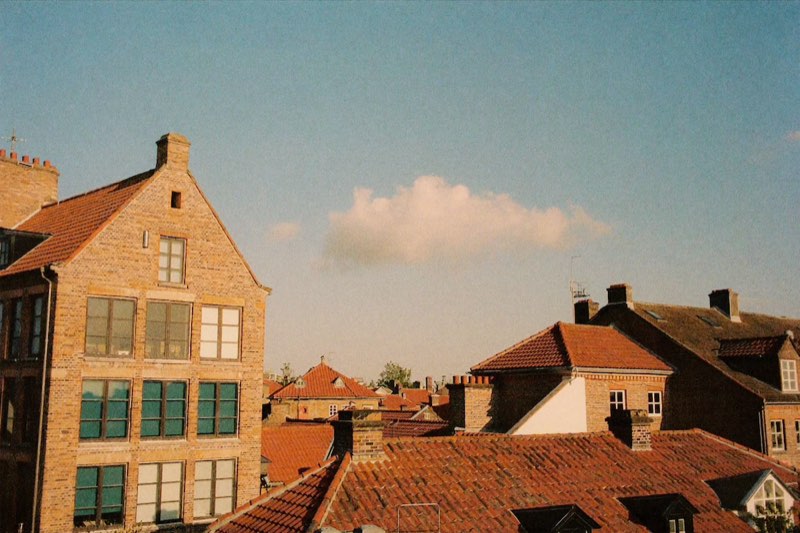
For slow sunny streets.
Memoir Chrome
Memoir Chrome with the blue drawn out and a light grain laid on. A clear sky settles to a soft grey-blue and a white cloud turns to cream, while brick and terracotta deepen to a dusky red and glass goes teal. Colour runs a little fuller than the film's own, but the brightest parts are held well back and the picture sits on the dim side, so it wants more light than the scene seems to need. Edges and fine detail are softened, and a light, fine grain lies over everything, with a faint glow at bright edges and corners darkened barely at all.
Grain 30 · small — a light grain that reads as film
Sunny streets and warm brick in good light. Give it a little more light than the camera asks for, or the frame comes out dim and grey; on a dull day it only turns flat.
See it on the shared scene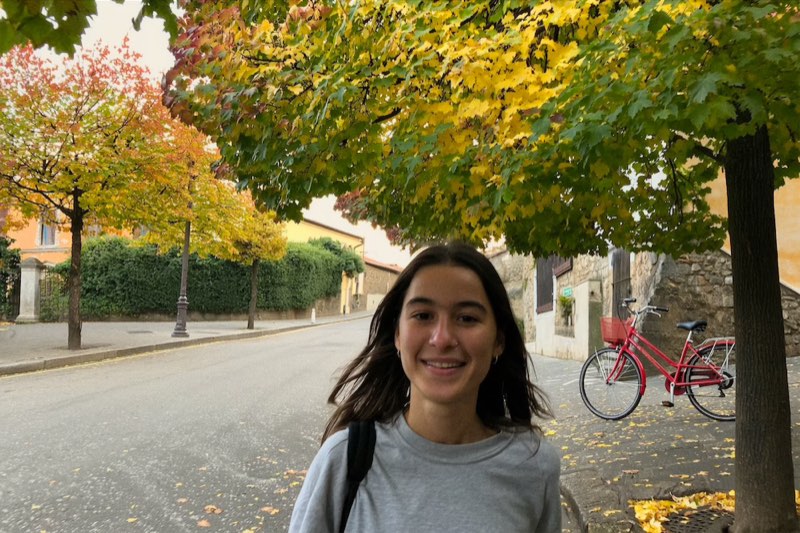
For nothing special.
Diary Neg
Diary Neg with the colour turned up and the shadows opened. Greens and yellows come forward fresh and lively, reds stay a deep crimson, a blue sky still lightens toward cyan, and skin keeps its warmth. The whole frame is nudged a shade warmer, the dark end lifts so the shade under trees reads as soft grey rather than black, and the bright parts stay bright and clear. A light, fine grain lies over everything: a clean everyday picture, a touch soft, with only a faint glow and the lightest darkening at the corners.
Grain 25 · small — a light grain that reads as film
Everyday daylight — errands, tree-lined streets, the people you know — when the day should look a little brighter and cleaner than it felt. Not for moody scenes: it opens every shadow.

For the last photo of the night.
Butter Neg
Butter Neg aimed at a face lit hard from the camera in a small room at night — the snapshot from the end of a dinner. Walls, menus and a white shirt go cream, skin turns golden, and the bright patch where the light lands on a cheek or a forehead is eased down rather than burnt white. Reds on a sign keep their weight, a dark jacket reads as navy, and the black stays deep with a cool edge. The picture is a touch soft under a light, fine grain, with a glow on whatever the light hits hardest and corners that darken the way a room falls away behind someone.
Grain 30 · small — a light grain that reads as film
People at close range after dark — a table, a bar, a friend lit by the camera's own light. It wants a face in the frame; a daylight landscape only turns yellow.
See it on the shared scene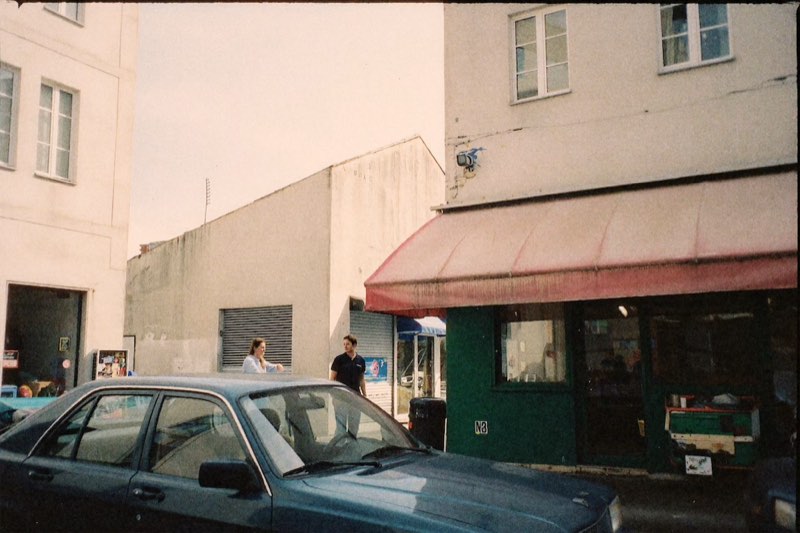
For photos that should look found.
Diary Neg
Diary Neg as a roll left too long in a drawer. Colour thins to a dusty, faded echo of itself, a white sky sinks to a warm pinkish grey and pale walls take on a faint lilac, while the darks stay dark. The brightest parts sag instead of shining, so the whole picture sits dim and flat unless it is given plenty of light. Detail goes soft, and a light, soft-edged grain lies over everything, with a soft glow around bright edges and corners gently darkened. Nothing looks new; it looks found.
Grain 35 · large — a soft, present grain
Bright days and ordinary streets you want to look years old. Give it much more light than the camera asks for; in dim light it turns muddy.
See it on the shared scene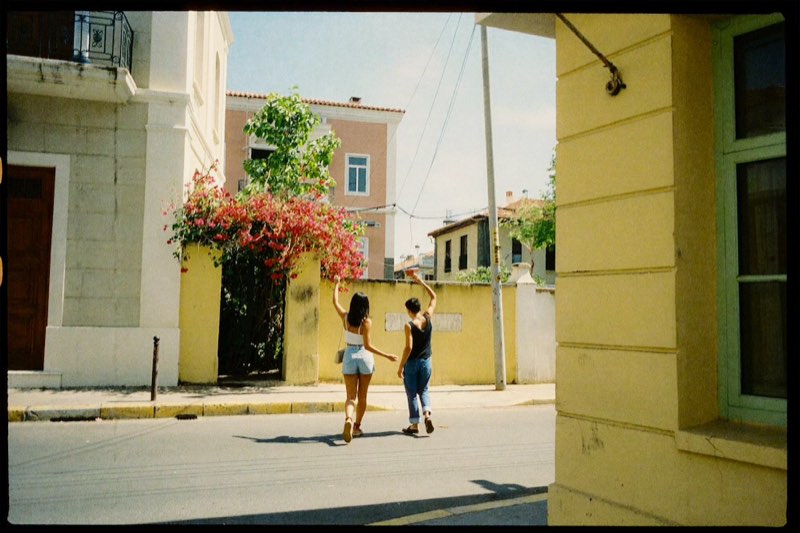
For summers you were too young to photograph.
Afterglow Neg
Afterglow Neg as a snapshot from a late-nineties summer. The whole picture leans warm with a faint olive tinge, so a cream wall turns khaki, brown paper goes golden and a pale window frame goes sage, while red flowers and warm colours stay full and rich. The darks lift to a soft brown-grey instead of black and the bright parts glow without going harsh, so the frame reads gentle rather than punchy. Edges and fine detail are softened, and a light, fine grain lies over everything, with a faint glow at bright edges and corners gently darkened.
Grain 25 · small — a light grain that reads as film
Bright days out: streets, sunlit walls, flowers, friends outdoors. Give it a third to a full stop more light than the camera asks for; underexposed, the colour goes muddy and the shadows turn flat and brown.
See it on the shared scene
For ordinary days done gently.
Lost Summer Neg
Lost Summer Neg as an everyday summer roll. Colour stays quiet and slightly faded: a clear blue sky pales almost to a soft grey, green roofs go grey-teal, a red shopfront turns toward vermilion and a pink wall toward salmon, while white walls stay clean with only a faint warmth. The tones sit soft and even, with bright walls held back from glare and the shadows opened a little, and edges and fine detail are softened, with a light, fine grain over everything. A faint glow sits at bright edges and the corners are gently darkened.
Grain 25 · small — a light grain that reads as film
Everyday summer days: streets, errands, trips and friends outdoors in good light. Under hard midday sun with a bright sky, raise the dynamic range to DR200 to hold the brightest parts. Expose as the camera asks or up to two-thirds of a stop brighter; darker than that, the colour goes muddy.
For faces on a dim street, flash on.
Lost Summer Neg
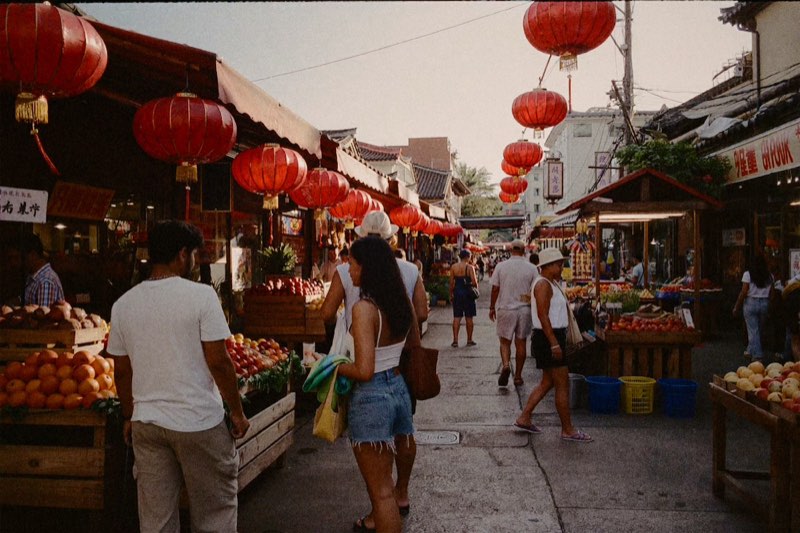
Lost Summer Neg set for a flash on a dim street. The person the flash reaches comes forward warm and golden while the street behind falls a step darker, and the corners fall away the way a flash runs out of reach. Reds stay deep and rich — cloth, lanterns, signs — and the strong blue chrome holds blue shirts and signs dark. Blacks are true black, the brightest parts are pulled well back so a white shirt stays a soft white instead of glaring, and edges stay crisp. A light, fine grain lies over everything, with only a faint glow at bright edges.
Grain 35 · small — a present, honest grain
People on the street with the flash on — in shade, at dusk or after dark — from within about a metre and a half. Without flash it suits a hard-lit street by day, where it comes out dark and punchy; raise the exposure a third of a stop if the shadows close up. In open sun the flash barely shows.
See it on the shared scene
For one face under strip lights.
Olive Neg
Olive Neg aimed at a person under strip lights after dark — a subway passage, a stairwell, a late corridor. Walls, tiles and the floor go green, the dark parts stay green with them, and the face turns yellow and olive-gold with a small shine where the light catches it, standing warm against the room. A brown jacket keeps its richness, blacks stay deep, and the brightest light eases into a pale cream instead of a hard white. The picture opens soft and a little flat under a light, fine grain, with a faint glow on the lights and corners that darken like the edge of a film frame.
Grain 30 · small — a light grain that reads as film
One person under ceiling light at night — a passage, a stair, a bus stop, a late room. It wants a face in the frame and no other strong colour; in daylight it only turns everything olive.
See it on the shared scene
For faces at arm's length after dark.
Kiosk Neg
Kiosk Neg with a flash fired close to a person — the pocket-camera snapshot. The face and whatever is nearest come up bright and clean, a white shirt goes fully white, and the dark behind them takes a green cast. Reds stay rich, blue leans teal, and skin keeps close to its own colour. A fine grain sits over the frame, with a light darkening at the corners.
Grain 30 · small — a light grain that reads as film
People at arm's length with the flash on — in shade, at dusk or after dark. Stand within a metre or so; further away the flash has little to give, and in open sun it barely shows.

For warm walls and water in the last light.
Terracotta Chrome
Terracotta Chrome in direct sun, kept crisp. The sky and the sea settle to a grey-teal, a little darker than they were, and brick, roof tile and ochre walls stand out full and slightly golden against them. Greens turn olive and stay dark, reds stay vivid, and shade goes nearly black with a faint brown warmth. Whites settle at a soft cream and never glare. Detail is crisp, with a light, fine grain over the frame and corners darkened only slightly.
Grain 15 · small — a fine, quiet grain
Old streets, rooftops, walls and water in direct sun, best when the sun is low. A blue door or blue paint goes grey along with the sky, a frame that is all grass turns heavily olive, and it has not been tuned for faces.
There probably is not one. Pick a film because it fits the day. Or because it does not. Use a warm film in cold weather. Use a night film at noon. The point is not to reproduce reality perfectly. It is to decide how you want to remember it.
Load one and go
You can read about a film for ten minutes. Or you can load one and see what happens.